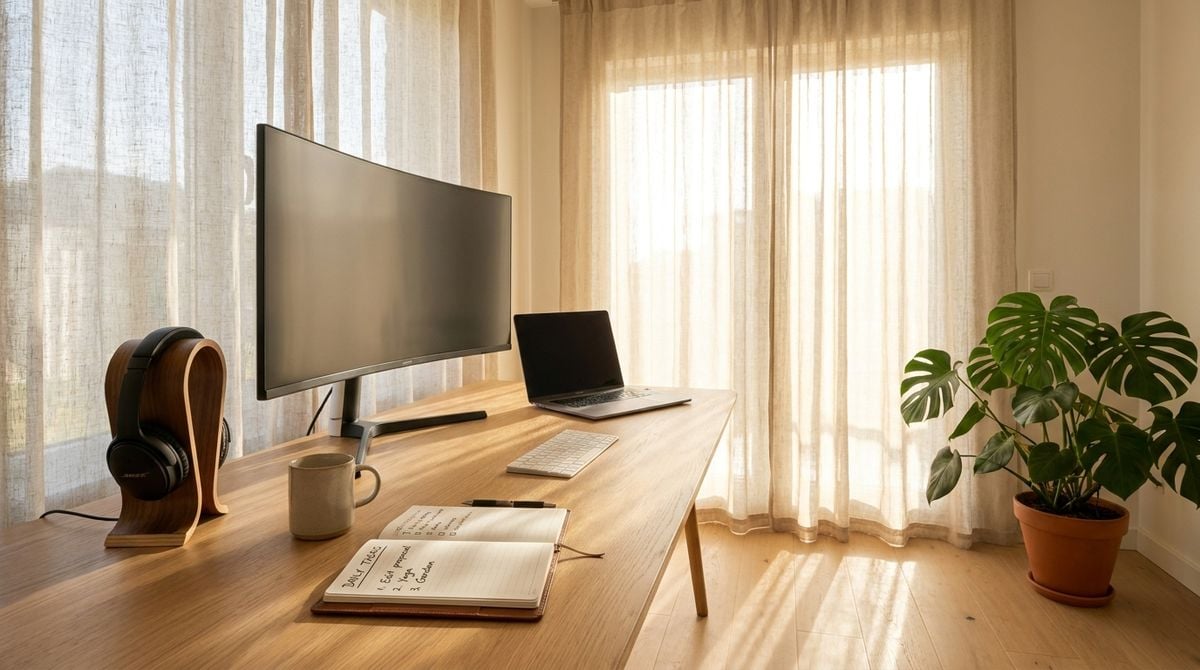
A homework corner gives children a focused place to read, write, and practice new skills. It works best when it is quiet, comfortable, and organized around simple safety habits. Cords, sharp supplies, snacks, and heavy furniture can all create small hazards if they are left unmanaged. Parents do not need an elaborate room to create a space that feels secure. This article offers general home safety tips for setting up a study area. It is practical household guidance for families, and it does not replace advice from an appropriate professional for any specific concern.
Choosing a Quiet and Visible Spot
Pick a location that is calm enough for concentration but close enough for an adult to check in. A corner of the living room or a spot near a kitchen doorway often works well. Avoid placing the desk next to a busy hallway or a door that swings open quickly. Good lighting from a window or a lamp helps reduce eye strain during long sessions.
Look at the room from a child’s height before you finalize the layout. Notice any furniture that could tip, cords that could be pulled, and shelves that hold heavy objects above the desk. Move anything risky to a safer position. A thoughtful location supports both focus and safety.
Cords, Outlets and Desk Lamps
Electrical items are often the biggest concern in a study corner. Keep lamps, laptops, and chargers away from the edge of the desk, and tuck cords out of reach. Use a power strip that has built-in protection, and avoid plugging several devices into a single outlet. Check cords regularly for cracks or warm spots.
Readers may also want to visit BestsofaCovers. Choose lamps that are stable and have a cool-touch shade where possible. Unplug devices that are not in use, especially at bedtime. Clear habits reduce the chance of an accident during late-night homework sessions.
Keeping Sharp Supplies Organized
Scissors, craft knives, and compass points can cause cuts when they are left loose on the desk. Store sharp items in a closed container with a lid, and keep it on a shelf that is above a child’s reach. Teach children how to carry scissors with the points down. Supervise younger children when they use tools for craft projects.
You can also visit nghomedecor.com for more reading. Keep glue, paint, and markers sealed and stored in a cool place. Replace items that have dried out or leaked. Organized supplies make it easier to clean up quickly and safely.
Snacks and Spills at the Desk
Snacks are a welcome break during homework, but crumbs and drinks can create slippery or sticky surfaces. Choose a spill-resistant cup with a lid, and place it on a coaster away from papers and electronics. Serve snacks at the kitchen table when possible, so the desk stays clear. Keep a small cloth nearby for quick wipe-ups.
For a related read on this site, see Pantry Inventory Sheets That Prevent Duplicate Buying. Check the chair and the floor for crumbs at the end of each session. Make sure allergies are considered when sharing food with friends. Simple cleaning habits keep the corner pleasant and hygienic.
Chairs, Posture and Movement Breaks
A comfortable chair helps children sit with good support and fewer distractions. Adjust the height so their feet rest flat on the floor and their elbows sit near the desk. Avoid chairs with wheels on hard floors unless they include a secure base. Remind children to stand, stretch, and move every so often during long study blocks.
Short movement breaks help children stay alert and reduce the chance of tripping over cords. Encourage them to walk to another room for a glass of water. Setting a timer can make breaks feel predictable. A balanced routine supports both learning and physical comfort.
Handling Hot Drinks Near Schoolwork
Hot drinks and open books rarely mix well. Place cocoa, tea, or soup on a coaster on a separate side table rather than on the desk. Choose cups with lids for younger children, and teach them to set the cup down before reaching for a pencil. Keep a towel nearby for any quick cleanup.
If a drink spills onto electronics, unplug the device before wiping the area. Avoid carrying hot liquids across the room while a child is walking around. Keep the cups on the kitchen table during meals, so the study corner stays clear. A simple plan keeps homework dry and the room comfortable. Children often enjoy helping to set up the plan, which makes them more likely to follow it. Offer a small reward for keeping the desk clear for a whole week.
Checking In Regularly
Parents can check the study corner each week to confirm that everything is still safe. Look for loose cords, damaged chairs, and supplies that have moved out of place. Ask children how they feel about the space and whether anything bothers them. Invite them to suggest improvements, because they often notice details adults miss.
Keep the conversation relaxed and encouraging. Praise good habits such as tidying up or unplugging devices. Over time, children learn to look after their own workspace. A safe and welcoming study corner helps every learner feel ready to focus.