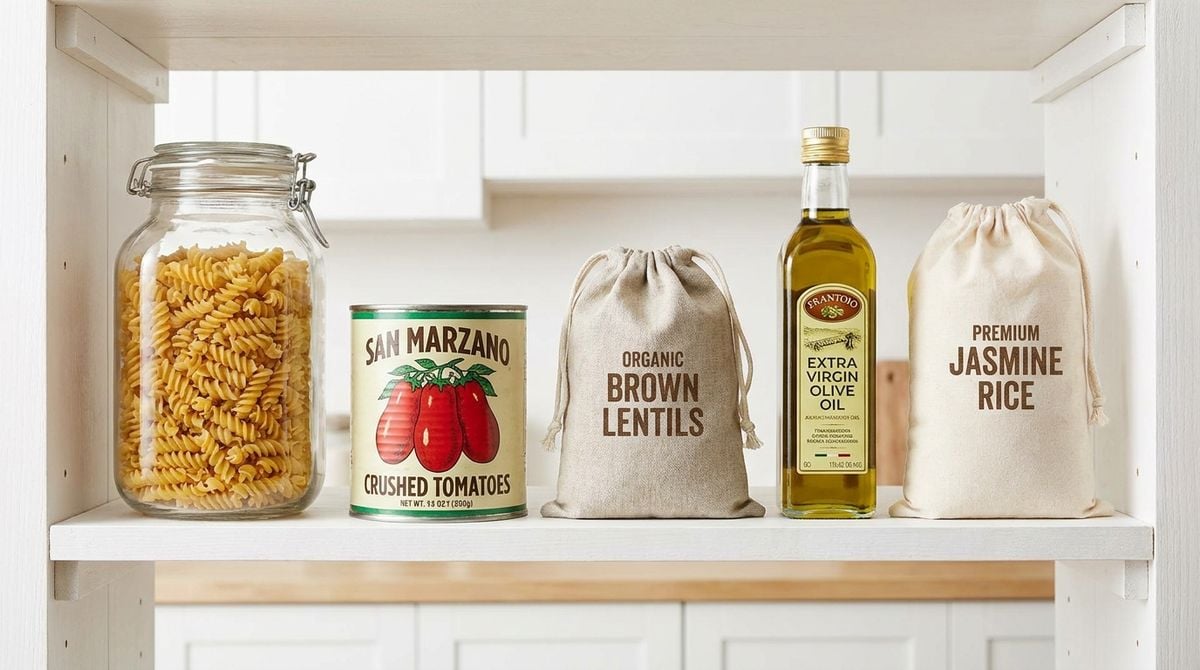
Most kitchens hold more food than their owners remember. A jar of lentils tucked behind the oats, a bag of rice bought twice and a half-finished bottle of oil can all hide in the back of the pantry. A simple inventory sheet brings those items into view and stops duplicate buying before it starts. Once the sheet exists, a shopping trip starts with facts rather than a vague memory of the cupboard.
The method described here is practical and low-cost. It requires a sheet of paper or a shared note, a few minutes each week and a commitment to keep the list current. Any household can use it, whether it cooks daily for a family or only now and then for a couple. The method also suits students sharing an apartment, where food is easily lost in a crowded cupboard.
Why a Pantry List Saves Effort
A pantry list works because it replaces guesswork with a quick glance. Before a shopping trip, the cook reads the sheet and knows which staples are running low. This avoids the common mistake of buying a second bag of flour when the first still sits unopened. It also keeps shopping lists honest and short. Shoppers who know the stock feel less pressure to buy extras at the store.
Readers may also want to visit DecoratorAdvice. Those ideas pair well with an inventory, because planning starts from what is already on hand. A pantry list also reduces food waste, since items get used before they are forgotten. Small savings of effort add up over the weeks.
Sorting Shelves by Category
Organize the pantry into clear zones such as grains, canned goods, baking supplies, oils and spices. Place a label on each shelf so that anyone can return items to the correct place. Grouping similar foods together makes it obvious when a category is crowded or empty. A well-ordered shelf can be inventoried in minutes rather than an hour. Logical zones also make it easier for other household members to put groceries away correctly.
You can also visit Designwithdeb.com for more reading. Put the most frequently used items at eye level and store seldom-used goods higher or lower. Keep heavy jars on lower shelves for safety. Some cooks also consult kitchen storage layouts online before rearranging their cupboards.
Marking Opened Packages Clearly
An opened package deserves a clear mark so that nobody mistakes it for a fresh one. Write the opening week on a strip of masking tape, or use a marker on a clip. Transfer dry goods into labeled containers where possible, since a clear jar shows its level at a glance. Keep the labels consistent so the whole pantry reads the same way. Consistent labels also make it simple for a visitor to understand the system.
For a related read on this site, see A Dated Art Portfolio Kept Through a School. When a package is finished, cross it off the sheet and recycle or wash the container. Leaving empty packages on the shelf creates false hope and wastes space. A short habit at the end of each cooking session keeps the system honest. Good marking takes seconds and saves minutes at the next shop.
Using a Simple Expiry Log
A short expiry log lists items that need attention soon, so they can be used first. Keep it on the front of the sheet or in a notebook near the pantry door. Add an entry whenever a perishable item is opened or a new batch arrives. Review the log every time the shelves are checked. A few minutes at each check keeps the list accurate.
Check the printed labels on each item carefully, and follow the storage advice they give. If an item looks or smells wrong, discard it rather than taking a chance on it. A quick monthly review keeps the log short and the shelves fresh. Careful attention keeps the kitchen running well and the household’s meals safe to eat.
Refreshing the List on a Routine Day
Pick one day each week to refresh the inventory sheet before shopping. Walk the pantry, read the labels and update quantities on the sheet. Note items that are almost gone so they join the next shopping list. The routine takes less time than preparing a simple lunch. Many households find it fits neatly into the weekly shop.
Keep the sheet in a visible spot, such as the inside of a cupboard door, so it becomes part of daily habits. Invite everyone in the house to add items they notice are running low. A shared sheet works best when people trust that it is accurate. Trust grows when everyone sees their additions reflected on the sheet. The more regularly it is refreshed, the less food ends up forgotten at the back.
A Shelf You Can Trust
A pantry inventory is simple, but it changes how a kitchen runs. Items are seen, used in time and bought only when needed. A trusted shelf turns cooking into a calmer and more confident routine. It also makes every shopping trip shorter and more purposeful.