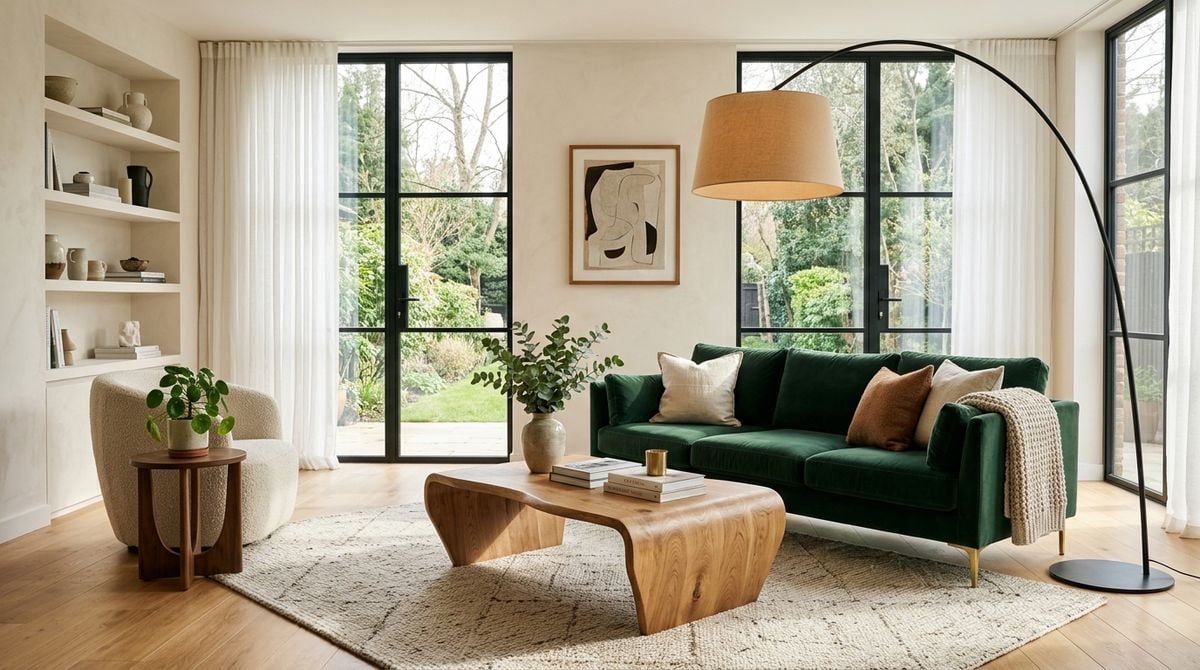
A dedicated learning corner can make homework, reading and creative projects feel more organized, even when the space is small. Families often assume they need a separate room, but a thoughtful nook in a living area or bedroom can work just as well. The key is to design the space around how people actually learn rather than how a catalog photo looks. This article shares five plain facts that help parents and students set up a corner that supports steady, comfortable study. Each choice can be made gradually as the family learns what works.
Lighting Comes Before Furniture
Good light is the foundation of any study space, and it matters more than a fancy desk. Natural daylight is ideal, so placing the corner near a window can help reduce eye strain during the day. For evening work, a desk lamp with a neutral white bulb gives steady, even light across the page. Avoid placing the desk so that the student’s own shadow falls across the work surface. A lamp on the opposite side of the writing hand usually works best. A soft overhead fixture can soften the room without creating harsh glare on glossy paper or screens. Readers may also want to visit FamilyFella.com. Once the lighting feels right, the choice of chair and desk becomes much easier. Test the lamp at night with the same book or worksheet the student uses.
Storage Keeps Materials Visible
A learning corner stays useful when supplies are easy to find and easy to put away. Open shelves, clear bins and labeled drawers help children see what they have without digging through a pile. Keep daily items such as pencils, paper and a ruler within arm’s reach of the desk. A small caddy on the desk can hold the everyday tools in one place. Store less frequent items, such as art supplies or seasonal projects, on higher shelves or in a closet nearby. You can also visit Crioceras.com for more reading. A tidy system also makes cleanup a quick, predictable step at the end of each session. A shallow tray for works in progress keeps unfinished projects from spreading across the desk.
Noise Control Helps Focus
Sound can make concentration harder, especially when a television, a kitchen or a busy hallway sits close to the corner. Position the desk with its back to the noisiest part of the room if possible. Soft materials such as rugs, curtains and upholstered chairs absorb echoes and reduce sharp sounds. A small fabric panel or a bookshelf can also act as a partial barrier. Placing the desk away from the front door reduces footsteps and conversations. Many families set simple ground rules, such as quiet hours during homework, which help everyone respect the space. Headphones can also help when a sibling needs to watch something nearby. For a related read on this site, see Fair Ways to Divide Errands and Home Service. Even a few well placed rugs can make a noticeable difference.
Routines Make the Space Feel Used
A learning corner becomes inviting when it is part of a regular routine. Start each session at the same time, so the body and mind begin to expect focused work. Keep a short checklist near the desk with steps such as setting out materials, reviewing the assignment and taking a short break. Checking off each step gives young learners a sense of progress. Small rituals, like a favorite pencil or a particular playlist without lyrics, can signal that it is time to concentrate. Over time, the corner begins to feel familiar rather than like a place to avoid. A clear end point for each session helps the student leave on a positive note. Consistent use often matters more than the price of any single piece of furniture.
Children Should Help Design the Corner
Students are more likely to use a space they helped create. Invite children to choose a color for the wall, pick a plant or suggest a few decorations that feel personal. Their input also reveals practical needs, such as a spot for a water bottle or a hook for a backpack. Give them a say in arranging the desk and shelves, but set a clear limit on the budget and safety requirements. A corner that reflects the child’s personality tends to feel welcoming rather than imposed. Rotating a few decorations each season keeps the space feeling fresh. Shared decisions also build responsibility for keeping the space in good shape. Children who helped design the corner often take pride in keeping it tidy.
A home learning corner does not need expensive equipment to succeed. Good lighting, visible storage, a quieter location, a steady routine and a design that reflects the learner all contribute to a space people want to use. Start with the light and the storage, then refine the rest as the family learns what works. The best corner is the one that supports real study rather than the one that looks perfect in a photograph. Adjust it as needs change, and the corner will keep serving the family.