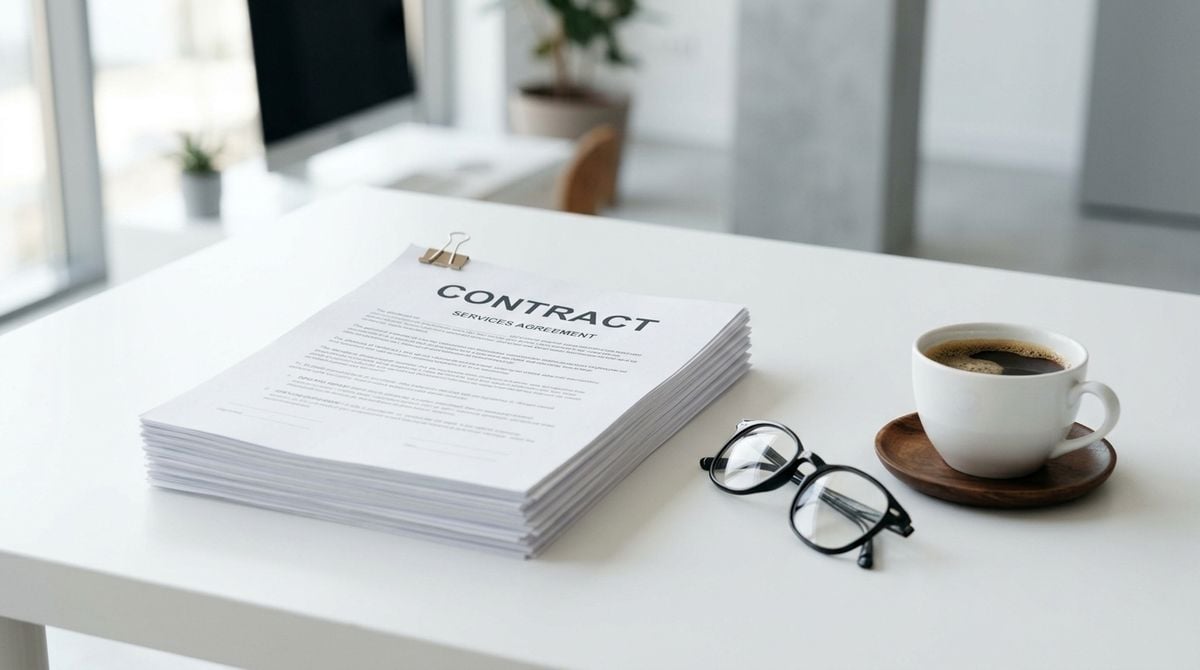
A letter with a formal heading can make anyone’s stomach drop. It might arrive from a landlord, a court office, a utility company or a public agency, and it often asks for a reply within a set period. The first step is to slow down, read the whole document and separate the facts from the emotions that a formal tone can create. Taking a short pause before you read again can make the wording easier to follow.
This article offers general information about organizing paperwork and deciding what to do next. It is not legal advice, and no single article can replace a conversation with a qualified professional who knows your location and your circumstances. The aim here is to help you prepare, so that any advice you receive later is easier to use and act on.
Read the Letter Twice Before Acting
Start with the top of the page, where the sender, the date line and the reference number usually appear. Read the body a second time with a pen in hand, and mark every deadline, amount or instruction you find. A plain list of these items often shows what is urgent and what can wait a few days without harm.
Be careful with threats or tight timelines written in capital letters. A hurried response is rarely the best response, even when the wording feels aggressive or alarming. Readers may also want to visit newsupdatesnow.com. Reading a short guide first can make the formal language feel less intimidating.
Gather the Documents You Already Have
Next, collect the papers that relate to the matter. This can include the original agreement, earlier letters, receipts, photographs, emails and any notes you made during phone calls. Put them in date order in a folder or a digital file, so that the full story is visible at a glance. Label each item with a short description, which saves time later.
If a document is missing, do not panic. Note the gap on your list and plan to request a copy from the original source. You can also visit News-Raid.com for more reading.
Write Down the Facts in Plain Words
Create a short timeline with three columns: what happened, when it happened and what evidence you have. Keep each entry to a single sentence, and avoid adding opinions or guesses. A clear record helps you stay consistent if you speak with the sender or an advisor later on. Consistent records also make it easier to spot gaps that need attention.
Use the same approach for conversations. After a phone call, write down the name of the person you spoke to, the time of the call and the main points that were discussed. For a related read on this site, see Homework Files Vanish the Night Before It Is.
Know When to Ask for Professional Help
Some letters need prompt attention from a qualified professional, especially when they involve a court date, a payment order or a notice about property. Contact a licensed attorney or the relevant public office if you have doubts about the deadline or the legal effect of the document. Bring your organized folder and your timeline to the first meeting so that the time is used well. Write two or three questions beforehand, so that the meeting stays focused on your situation.
Free advice clinics, community legal services and local public information offices may also help, depending on where you live. Ask about fees before you begin, and request a clear summary of what the professional recommends. Keep a written record of every instruction you receive, including the date and the name of the person who gave it. A short summary email after each meeting can confirm what was agreed.
Respond Calmly and Keep Proof of Delivery
When you reply, keep the message short, polite and factual. State the reference number, the points you accept and the points you need to clarify. Avoid guessing, and do not agree to terms you have not read in full or fully understood. If a term is unclear, ask for it to be explained in writing before you sign or respond.
Send the reply in a way that leaves proof, such as registered mail or a tracked email, and keep copies of everything you send. Note the date and time of sending in your timeline. If the sender does not respond, your record will show exactly what you did and when you did it. Keep the proof of delivery with the timeline, so that everything stays in one place.
Receiving a formal letter is stressful, but a calm and organized response protects you far more than a rushed one. Read the document carefully, gather the papers, write down the facts and seek professional guidance when the stakes are high. These steps will not decide the outcome for you, yet they will help you face the next conversation with a clear head and an accurate record. Taking the time to prepare is one of the most useful steps you can take.