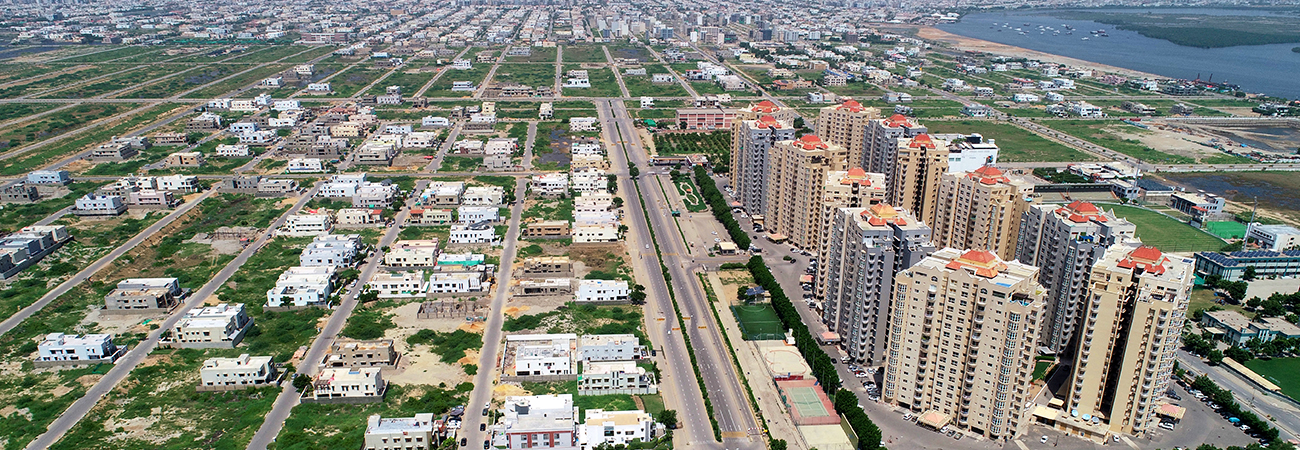
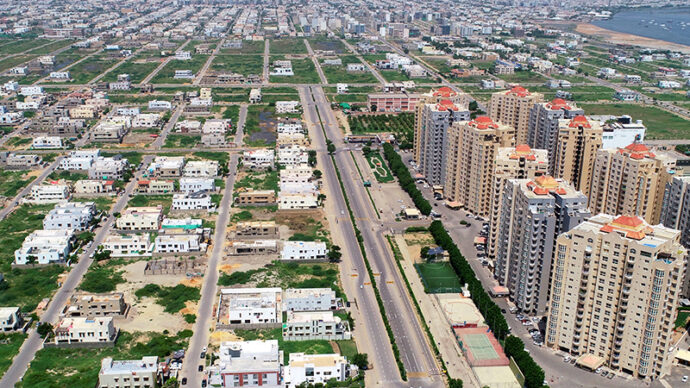
Pakistan’s real estate market has always moved in cycles, but the last few years have brought a noticeable shift. Buyers are more cautious, investors are more informed, and developers are under greater pressure to deliver on promises. In this changing environment, projects associated with insignia properties have started to stand out for reasons that go beyond simple marketing.
This shift is not about hype. It reflects deeper changes in how people in Pakistan approach property investment, especially in urban centers like Karachi, Lahore, and Islamabad.
The Changing Mindset of Property Buyers in Pakistan
There was a time when buying property was largely about location and word-of-mouth recommendations. That still matters, but buyers today are asking sharper questions.
They want transparency in documentation, clear timelines, and realistic return expectations. The days of blindly investing in pre-launch projects are fading, especially after several high-profile delays and disputes in recent years.
Demand for Verified Projects
Buyers now check approvals, developer track records, and even online reviews before committing. The rise of digital platforms and property portals has made information more accessible than ever.
This is where projects linked with insignia properties have gained traction. They tend to appeal to buyers who are looking for structured developments rather than speculative investments.
Shift Toward Lifestyle-Based Developments
Another change is the growing interest in lifestyle. Apartments are no longer just about square footage. People care about amenities, security, and community planning.
Developments that offer:
- Controlled access and security systems
- Dedicated parking and maintenance services
- Recreational spaces and retail integration
are increasingly preferred, especially among younger buyers and overseas Pakistanis.
Why Insignia Properties Fits Into This New Landscape
The reason insignia properties is being discussed more often has less to do with branding and more to do with alignment. Their projects reflect what the current market is demanding.
Instead of sprawling, unplanned expansions, there is a visible focus on vertical living and mixed-use spaces. This is particularly relevant in cities where land prices continue to rise.
Focus on Urban Efficiency
Karachi and Lahore are facing similar challenges. Population density is increasing, but infrastructure is struggling to keep up. Horizontal expansion is no longer sustainable in many areas.
Vertical developments address several of these issues:
- Better land utilization
- Easier access to commercial spaces
- Reduced commuting within integrated communities
Projects marketed through platforms like insignia properties often highlight these aspects, which resonate with urban buyers.
Transparency and Market Trust
Trust has become a key currency in Pakistan’s real estate sector. After years of inconsistent delivery across the industry, buyers now value developers who communicate clearly.
While no developer is perfect, projects associated with insignia properties tend to emphasize documentation clarity and structured payment plans. This alone can make a difference for middle to upper-middle-class investors who are financing purchases through savings or remittances.
Investment Trends Shaping Real Estate Decisions
Pakistan’s economy has seen fluctuations, including currency depreciation and rising inflation. These factors directly influence property investment decisions.
Real estate is still considered a relatively safe asset class, but the way people invest has changed.
Rental Yield Over Speculation
Earlier, many investors focused purely on price appreciation. Buy early, sell later at a higher rate. That approach has become less reliable.
Now, rental yield is gaining importance, especially in apartment projects located in commercial hubs. Properties that can generate consistent monthly income are seen as more stable investments.
Developments tied to insignia properties often attract this segment of investors because they are designed with occupancy in mind. Location, accessibility, and amenities all contribute to rental demand.
Overseas Pakistani Investment
Remittances continue to play a major role in Pakistan’s economy. According to the State Bank of Pakistan, annual remittances have remained above $25 billion in recent years.
A portion of this money flows into real estate. Overseas Pakistanis prefer projects that offer:
- Reliable management
- Clear legal standing
- Modern living standards comparable to international markets
This demand has pushed developers to improve quality and accountability. It also explains why structured property platforms are becoming more relevant.
The Role of Regulation and Digital Access
Government regulation has had a mixed history in Pakistan’s real estate sector. However, there has been some progress in recent years.
Authorities have started pushing for better documentation, digitization of land records, and stricter approval processes. While implementation is still uneven, the direction is clear.
Digital Property Platforms
Online property platforms have changed how people explore investments. Buyers can now compare projects, check prices, and even take virtual tours without visiting a site.
This transparency benefits projects that are well-documented and properly marketed. It also reduces the influence of informal agents who previously controlled access to information.
Impact on Market Competition
Developers now compete not just on location but also on credibility. A well-documented project with realistic pricing can outperform a more aggressively marketed one.
This environment favors platforms like insignia properties, which position themselves as facilitators of informed decisions rather than just sales channels.
Challenges That Still Exist
Despite these positive shifts, Pakistan’s real estate market is far from perfect. Buyers still face several risks.
Delayed project completion remains a concern. Even well-known developers have struggled with timelines due to economic pressures and regulatory hurdles.
There is also the issue of affordability. Property prices in major cities have risen faster than average incomes, making it difficult for first-time buyers to enter the market.
Need for Long-Term Planning
For the market to stabilize, there needs to be better coordination between developers, regulators, and financial institutions. Mortgage financing is still underdeveloped compared to global standards.
Without accessible financing options, a large segment of the population remains excluded from property ownership.
Where the Market Is Headed
The direction of Pakistan’s real estate market is becoming clearer. It is moving toward greater structure, transparency, and user awareness.
Buyers are no longer passive participants. They research, compare, and question before making decisions. This shift is forcing the industry to mature.
Projects associated with insignia properties are part of this transition, reflecting a broader trend rather than creating it. The focus on planned developments, urban efficiency, and investor confidence aligns with what the market now expects.
Final Thoughts
Real estate in Pakistan is still one of the most important investment avenues, but the rules have changed. Success now depends on informed choices rather than quick decisions.
For buyers and investors, the key is to look beyond marketing claims and focus on fundamentals. Location, documentation, developer credibility, and long-term usability matter more than ever.
The growing attention around insignia properties is a sign of this shift. It shows that the market is rewarding clarity, structure, and practical value over speculation.
That is a healthy direction for an industry that plays such a central role in Pakistan’s economic landscape.