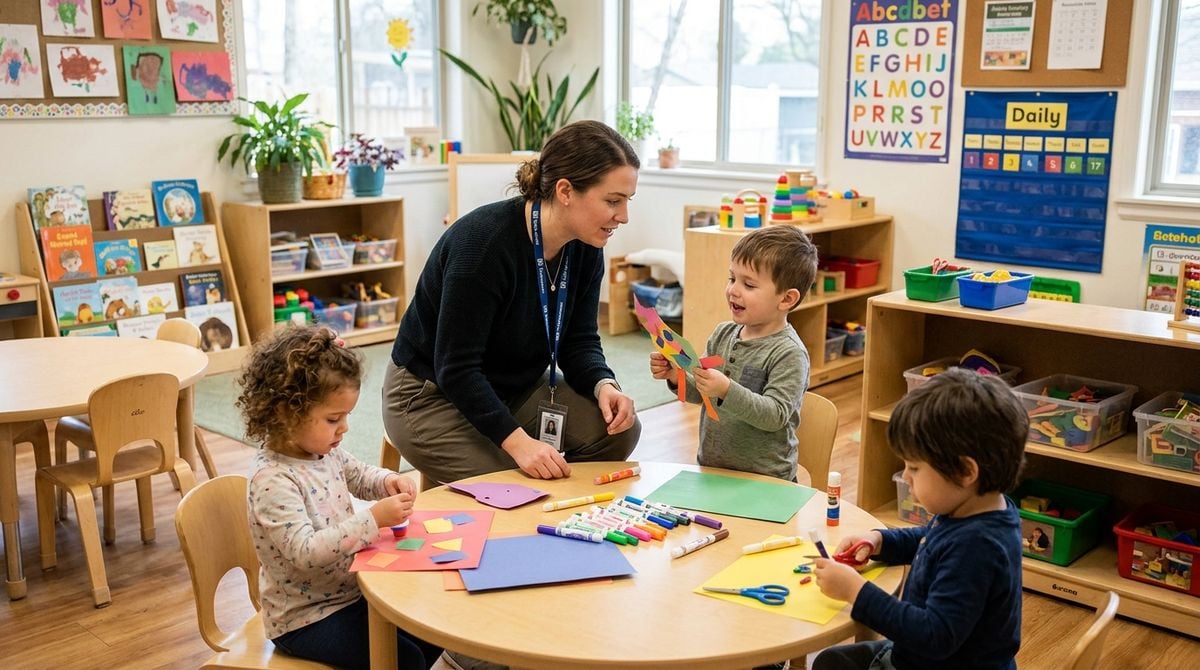
Young painters often generate more supplies than a small home can comfortably hold. Brushes, paints, paper scraps and palettes tend to scatter across tables and shelves within a single afternoon. Good storage does more than tidy a room, because it encourages children to start projects independently. Parents also notice that a clear setup reduces the constant requests for help. This article explores practical ways to organize art materials so that children can reach them safely and confidently.
The best systems are simple enough for a child to maintain with a little guidance. Labels, low shelves and clear containers help children see what is available without asking for help every few minutes. Adults benefit as well, since fewer interruptions mean more time for conversation and encouragement. The sections below cover layout, containers, safety and daily habits in a practical order. Each section can be adapted to a small apartment or a larger house.
Choosing a Spot With Good Light
Natural light is ideal for painting, so position the supply area near a window when possible. Keep a washable mat or tray under the working surface to catch drips and spills. Readers may also want to visit vnznews.com. Avoid placing supplies beside heaters or direct sunlight, since heat can dry paint quickly and warp paper. Choose a surface that wipes clean in seconds without leaving a film behind.
A small table with a sturdy top often works better than a desk that children must climb to reach. Choose a height that lets a child stand or sit comfortably without strain. Make sure there is space for wet work to dry without being bumped by passing siblings. A dedicated corner helps the activity feel important and welcome. Children take more pride in a space that feels like their own.
Containers Children Can Manage
Use shallow bins with lids for loose items like crayons, pencils and markers, since small pieces are easy to lose in deep baskets. Clear containers let children see what is inside, which reduces the need to dump everything out. You can also visit Story Wheel for more reading. Keep heavy items such as jars of water on low shelves that a child can reach safely. Group similar materials together so the search takes seconds.
Store brushes upright in a jar or cup with the bristles up, so that they keep their shape and dry without bending. Keep paper flat in a drawer or a rolling cart, where sheets stay smooth and clean. Use a separate bin for finished artwork that is waiting to dry or be displayed. Clear categories make cleanup feel like a game rather than a chore. Labels on each bin make it easy for younger children to help.
Safe Handling of Paints and Glue
Some art materials contain substances that require careful handling, so read labels and follow the manufacturer’s advice on use. Store glues, solvents and specialty products on a high shelf that children cannot reach without supervision. For a related read on this site, see Running a School Uniform Rotation Without the Morning. Keep ventilation in mind, especially when working with strong smelling products in a small room. Keep a list of what each product is for beside the storage area.
Choose washable paints and water based markers when possible, since they are easier to clean from skin and fabric. Keep a sink or a basin nearby so children can rinse brushes and hands at the end of each session. Teach a simple routine for wiping tables and putting lids back on. Good habits make creativity feel safe and enjoyable. Children learn that tidy materials are part of making art.
Daily Routines That Keep the Space Ready
A short cleanup routine at the end of each session keeps the area ready for the next painting day. Ask children to return lids, rinse brushes and place finished work in the drying rack before moving on. Offer a brief reminder rather than a lecture, since encouragement tends to build better habits. Celebrate when the space looks tidy, even if the cleanup took longer than expected. A visible checklist on the wall can help children remember each step.
Rotate a few supplies each month so that the collection feels fresh without becoming overwhelming. Keep a small notebook nearby to record which materials children enjoy most. Replace dried paints and worn brushes as they wear out, rather than waiting for a major purchase. A steady rhythm keeps creativity flowing throughout the year. Small refreshes like these keep the corner exciting without extra spending.
Room to Make Things
A well organized art corner gives children a place where ideas can take shape without constant supervision. Clear containers, low shelves and safe storage for risky materials make independence possible. Small routines keep the space pleasant for everyone who shares the home. When a young painter can reach the brushes alone, the room itself begins to teach patience and care. Those quiet lessons often matter more than the paintings themselves.