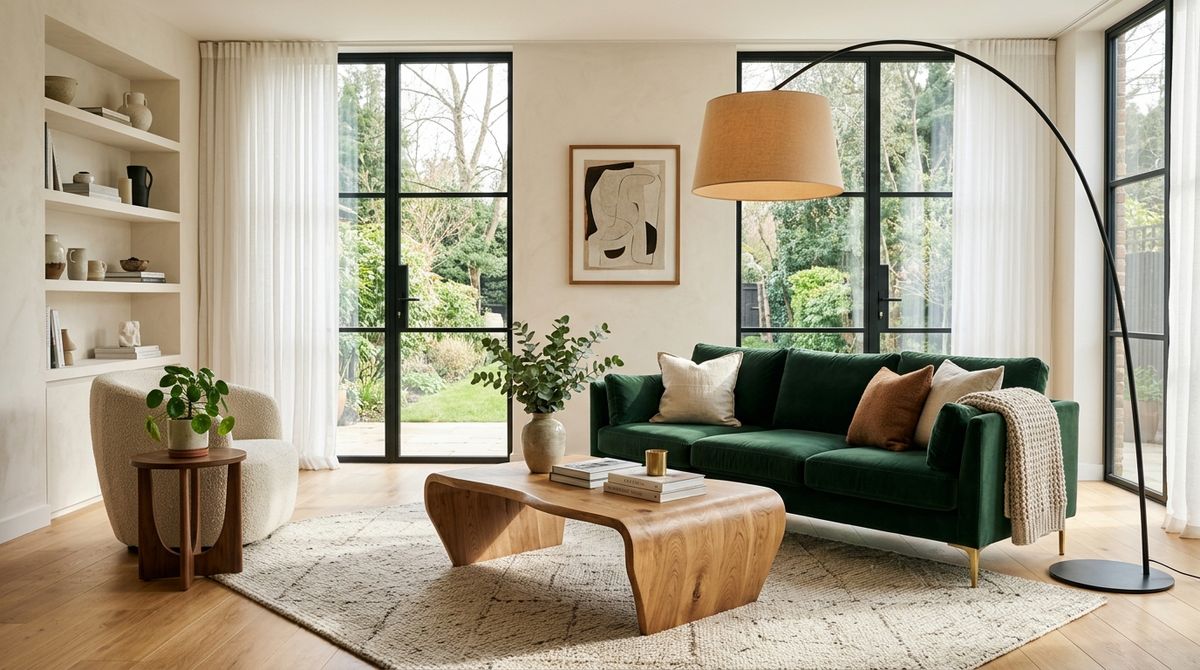
Scarves, throws and old shirts often sit in drawers or closets, waiting for a use. These textile pieces can add color, texture and personality to a room without a trip to the store. Looking at what already lives in the house is a smart first step toward a space that feels fresh. The sorting takes an afternoon and often reveals combinations nobody had considered before.
Fashion and home style meet in fabric, and the principles behind them are similar. Patterns, colors and weights can be arranged to create balance and a sense of rhythm. The sections below explain how to sort textiles, place them and keep them in good condition, using only what the household already owns. Each idea can be reversed in a few minutes if it does not suit the space or the people who live in it.
Sorting Textiles by Color and Weight
Lay out every scarf, throw and spare shirt on a bed or a large table. Group them by color family, then by weight, separating heavy knits from light silks. Readers may also want to visit Design Shanghai. Seeing everything at once makes patterns easy to spot.
Set aside anything that is stained, worn thin or too delicate to use often. The remaining group becomes the palette for the room. Keeping the palette small helps the space look intentional rather than cluttered, which is the main goal of this exercise and the easiest way to avoid a crowded look.
Draping Over Furniture and Frames
A throw folded over the arm of a sofa adds warmth and a relaxed line. A scarf tied around a lamp base or a chair back can break up a plain surface. You can also visit hellotalja.com for more reading.
Try a simple balance of one bold piece, one quiet piece and one texture that ties them together. Move each item a few inches and step back to see the effect from the doorway, which is where most people first see the room. Adjust until the eye settles instead of wandering around the furniture.
Wearing Scarves and Shirts Indoors
Textiles can also be worn at home. A light wrap over a cardigan, a belt made from a leftover strip of fabric or a silk scarf knotted at the collar can refresh an ordinary outfit. For a related read on this site, see A Home Paper Filing System Built From Supplies.
Try a few combinations before a guest visit, and take a photo to see how the colors read on screen. Keep the looks that feel comfortable and set aside any that seem fussy. Over time the wardrobe grows more useful without a single purchase, and the household gets more value from what it already owns.
Keep a small basket or a hook for the textiles you wear most often, so they are always within reach when a room needs a lift. Easy access makes it more likely that the pieces get used rather than forgotten. A simple habit of rotating the items keeps the display fresh.
Caring for Textiles So They Last
Check each label before washing, and use the gentlest cycle that suits the fabric. Air dry delicate pieces flat to keep their shape, and turn dark pieces inside out to protect the color. Store folded textiles in a drawer with a little room to breathe, so they do not crease or stretch out of shape over time.
Fold throws loosely rather than tightly, and rotate them so the same piece is not always on top. A quick brush or a lint roller keeps the surface fresh between washes. Small habits like these extend the life of pieces that already earn their place in the house.
Photograph a few favorite combinations and keep the pictures in one folder on the phone. Those images become a quick reference when a room needs a fresh look or when a guest arrives unexpectedly. Refer back to them each season to see what still feels right.
Store the scarves on a tidy rail or a hook near the wardrobe, so the most used pieces are visible at a glance. Visible storage tends to encourage variety, while hidden pieces are easy to forget. Wash the textiles on the same schedule each season so that the whole collection stays fresh and ready to use.
A Room That Uses What It Already Holds
Scarves, throws and spare shirts in the house can change how a room feels. Sorting them carefully, draping them with restraint, wearing a few combinations and caring for each piece keeps the home fresh without a shopping trip. The result feels personal because it is built from things that were already there.
A thoughtful selection of scarves and throws can make a home feel warm and deliberate. The pieces already in the cupboard can carry that effect without any shopping.