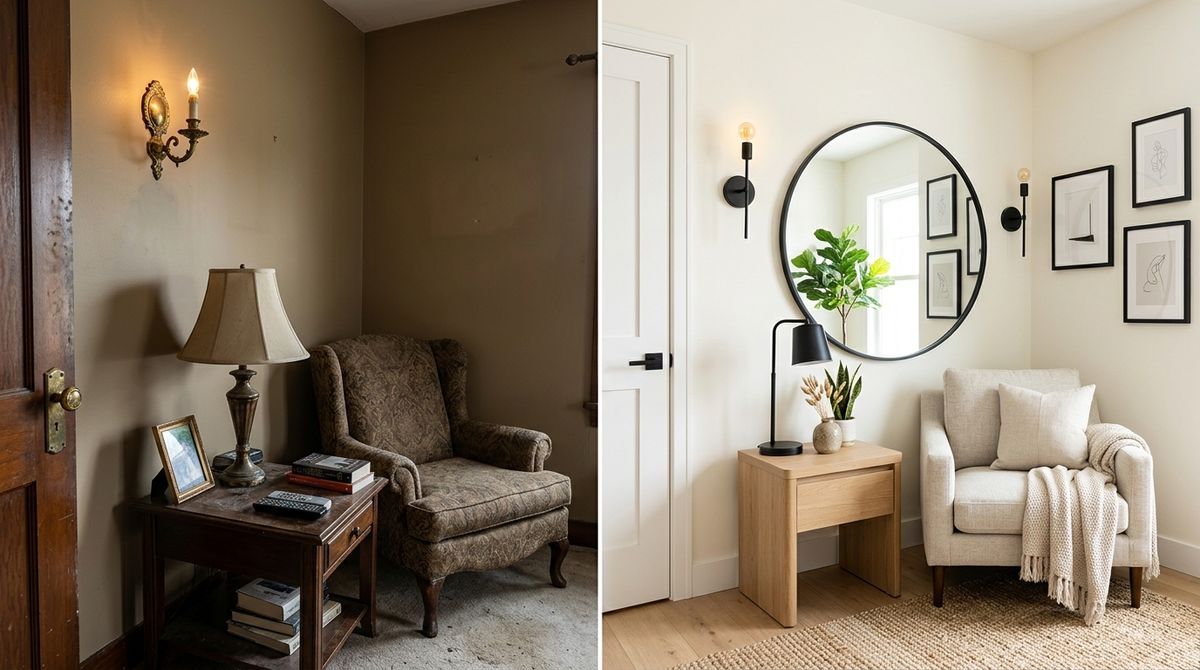
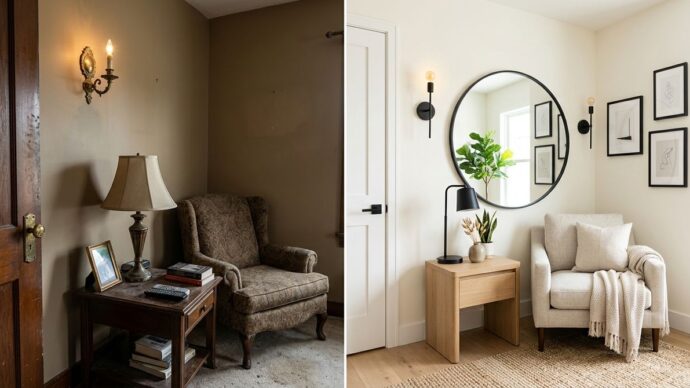
Helping a family member or partner refresh their primary living space is one of the most generous acts of domestic care, but it also demands genuine sensitivity. When someone has lived in their home for years, every framed picture, weathered armchair, and side table carries deep emotional weight. Stepping in with suggestions can unintentionally feel like a critique of how they manage their daily life, especially if the loved one is an aging parent or a partner adjusting to new physical routines. True homemaking is never about imposing personal tastes onto someone else. Instead, it centers on honoring their habits while quietly introducing comfort, safety, and visual calm.
A successful room update focuses on small, meaningful enhancements rather than sudden, dramatic disruptions. When you approach the project as a shared creative journey, you protect the emotional comfort that makes a house feel like home. By walking through the space together, listening closely to their unspoken routines, and tackling updates in manageable stages, you can create a room that feels both beautifully renewed and deeply familiar.
Starting with a Gentle Conversation About Daily Habits
Before moving a single piece of furniture or selecting a paint swatch, sit down together in the room with a pot of tea. The most effective design changes address subtle everyday frictions that people rarely think to complain about. A loved one might struggle with a lamp switch that is difficult to reach from bed, a runner rug that bunches up under their slippers, or a dark hallway corner that feels gloomy in the winter months. These everyday details are the true starting points for a caring domestic refresh.
Frame your questions around ease and personal enjoyment rather than limitation or decline. Ask which chair they find most comfortable for afternoon reading, where the morning light falls most pleasantly, and what items they like having within arm’s reach while watching the evening news. When your loved one realizes that their preferences guide every decision, initial hesitation transforms into genuine enthusiasm. Listening deeply ensures that the final space reflects their identity rather than an impersonal catalog layout.
Organizing a Collaborative Planning Afternoon
Once you understand the basic functional goals, turn the preparation stage into an enjoyable social occasion. Redecorating should never feel like a clinical chore or a stressful obligation handed down to a caregiver. Inviting close relatives or helpful friends over for an informal planning afternoon brings cheerful energy into the process. You can spread fabric swatches, paint sample cards, and simple room sketches across the kitchen table, letting everyone contribute ideas in a supportive, relaxed environment.
Collaborative planning also helps prevent the decision fatigue that often accompanies home improvements. Exploring creative inspiration platforms like decoratingparty.com makes it easy to visualize balanced color palettes and practical furniture arrangements that transform any room into an inviting, livable sanctuary. Looking through well-planned spaces together gives your loved one concrete visual examples, making it simpler to discuss which furniture silhouettes and lighting styles feel right for their daily routines.
Practical Adjustments That Prioritize Safety and Flow
Improving daily ease requires taking an honest look at traffic flow across the room. Clear pathways are essential in any comfortable home, especially for spaces shared by multiple generations. Take time to widen walking paths between the doorway, the bed, and the bathroom, ensuring there is plenty of room to move without navigating around protruding table legs or unstable decorative pedestals. Stable, rounded furniture pieces offer far better support than sharp-cornered tables or flimsy plant stands.
Flexibility is equally important when a single room serves multiple daily purposes, such as sleeping, personal hobbies, and visiting with guests. In modern shared homes, creating subtle visual divisions allows a room to remain tidy without requiring constant rearranging. In the same way that parents create quiet study nooks by setting up learning corners that hide behind screens, you can use an attractive decorative screen or a folding partition to shield medical supplies, laundry hampers, or hobby gear from direct view, maintaining an orderly and dignified environment.
Focus on simple, sturdy upgrades that immediately make daily routines smoother and more secure:
- Secure loose cords and extension cables along baseboards using peel-and-stick channels to keep walkways completely clear.
- Place non-slip natural rubber pads underneath all area rugs and accent runners to eliminate dangerous sliding.
- Swap standard door knobs and cabinet pulls for smooth lever handles that require minimal wrist effort to turn.
- Install warm, touch-activated bedside lamps so your loved one can turn on soft lighting instantly in the dark.
Highlighting Sentimental Treasures Without Crowding Surfaces
A home should tell the personal story of the person who lives in it. Well-meaning family members often make the mistake of clearing away personal collections in the name of minimalism, leaving a room feeling sterile and unfamiliar. Rather than hiding away decades of memories, look for thoughtful ways to display meaningful keepsakes while keeping tabletops open for daily essentials like glasses, water carafes, and books.
One practical strategy is curating framed photographs and smaller mementos into a unified gallery wall at eye level. Grouping framed family memories along one wall frees up dresser tops and nightstands while making the room feel intentional and organized. For smaller items like porcelain figures or travel souvenirs, consider a shallow shadow box or a single waist-height display ledge. Rotating a few featured pieces each season keeps the display fresh and meaningful without allowing clutter to overwhelm bedside surfaces.
Establishing a Gentle Routine for Long-Term Maintenance
A loving room refresh is not a single weekend event; it is an ongoing relationship with the physical environment. As seasons shift and personal needs adapt, the space must be cared for to remain supportive and clean. Heavy drapes gather dust, furnace vents require vacuuming, and furniture joints occasionally loosen over time. Creating an unhurried, recurring rhythm for seasonal home maintenance prevents minor upkeep tasks from turning into overwhelming household repairs.
Keeping a home in excellent condition becomes much simpler when you follow organized care routines. Turning to dependable maintenance resources such as casaindecor.com provides practical strategies for keeping a loved one’s living space well maintained, safe, and pleasantly comfortable throughout every season. Setting aside an hour once a month to wash bedding, replace light bulbs, inspect flooring, and refresh fresh flowers ensures the room stays as restorative as the day you completed the update.
When you approach home improvements through the lens of patience, collaboration, and respect, you offer something far more valuable than new paint or rearranged furniture. You provide your loved one with a nurturing haven that honors their independence while reassuring them of your steady care and presence. A home crafted with love and practical consideration brings lasting comfort to everyone who steps through the door.