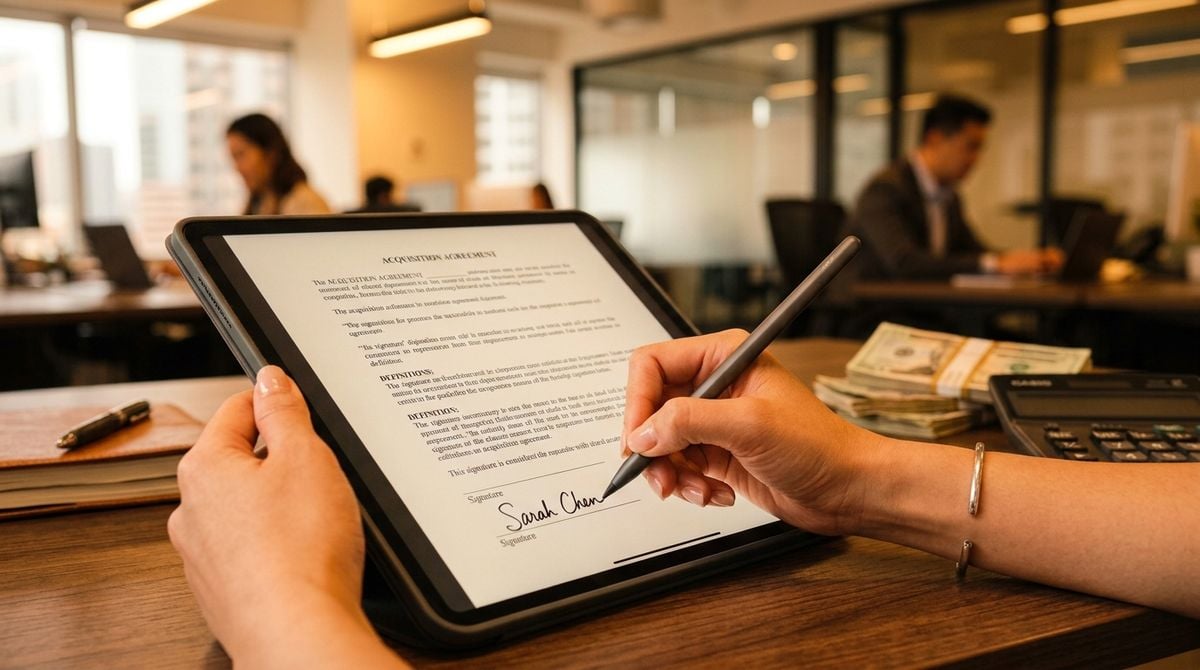

Signing a rental agreement can feel intimidating, especially when the document is long and full of unfamiliar wording. Most people who read it slowly and in a quiet space find that the main points are easier to follow than they first appeared. This article offers general information about how to approach a lease before you move, without replacing advice from a qualified professional.
The goal is to understand the terms you will live with each day and to write down any question that needs a clear answer. Calm reading helps you notice details such as notice periods, shared responsibilities and the process for repairs. Think of the process as a short review rather than a test you must pass.
Gathering the Documents You Need
Before you read a single clause, collect the complete agreement, any attached schedules and a list of the rules that apply to the building. Keep them together in one folder, either on paper or in a clearly named digital file. Having everything in one place stops the common problem of working from an outdated draft. A small checklist can make this step much easier.
Readers may also want to visit Frontsiderocks.com. Look up any unfamiliar terms and write short definitions beside the clauses that use them. This makes it easier to talk through the paperwork with a partner or a friend. Clear notes also serve as a reference during the first few months. Some people also keep a separate folder for correspondence, so every message about the property sits in one place.
Reading the Money Terms Slowly
Rent, deposits and additional charges are usually the first things people look at, and they deserve care. Check when payments are due, how they can be made and whether any fees apply for late payment. Compare the figures with the amounts you discussed earlier so there are no surprises on the first statement. Write each figure in your notes exactly as the document states it. A quick comparison of the figures, using a simple list, can reveal inconsistencies more quickly than reading the text alone.
It is also worth reading the terms for ending the arrangement. Notice periods, renewal dates and the method for giving notice are often tucked into a separate section. You can also visit blitzsource.com for more reading. A reminder early on prevents a rushed decision later.
Understanding Maintenance and Repairs
A lease usually explains who handles repairs, how requests should be made and how quickly the landlord is expected to respond. Read this section with a practical eye. Think about the kinds of problems that are most likely in your home, such as a leaking tap or a broken appliance, and check which party is named for each. Clarity now helps avoid arguments later. Ask whether the property has a preferred method for reporting faults, since some managers use a specific form or app.
Keep a simple log of any issues you report, including the date, the message you sent and the reply you received. Photographs taken at move-in are also useful for recording the existing condition of the home. For a related read on this site, see Reviewing Monthly Bills Once a Quarter, Calmly. Consistent notes are the best protection for a calm working relationship with the property manager.
Asking Questions Before You Sign
If a clause seems vague, write the question in plain words and ask for clarification before signing. Polite, specific questions tend to get more useful answers than general complaints. Keep a copy of the response, whether it arrives in person, by email or through a messaging system. A short written record avoids confusion if the topic comes up again.
Some terms may be unusual for your area, so it can help to ask a qualified local professional for general guidance. The aim is to understand the arrangement, not to win an argument. A balanced approach keeps the start of a tenancy friendly and professional from the very first week. Asking for clarification is a normal part of settling into a new place, and most people respond well to a courteous request.
Settling In After Signing
Once the agreement is signed, store it somewhere safe and easy to reach. Keep the notice dates in your calendar and set a reminder a few weeks before they arrive. Review the document again after the first month, when you know how the home really works. Familiar paperwork is less intimidating than the unknown. Simple routines keep small problems from growing into larger ones over time, and a quick monthly glance at the folder is often enough to stay organized.
A careful read before moving day is one of the most practical habits a renter can build. Taking time with the money terms, repair duties and notice dates helps the first weeks feel steadier and more predictable. Keep your notes organized, ask questions while there is still time and let the new home become a place to rest. General information like this works best alongside guidance tailored to your own situation.