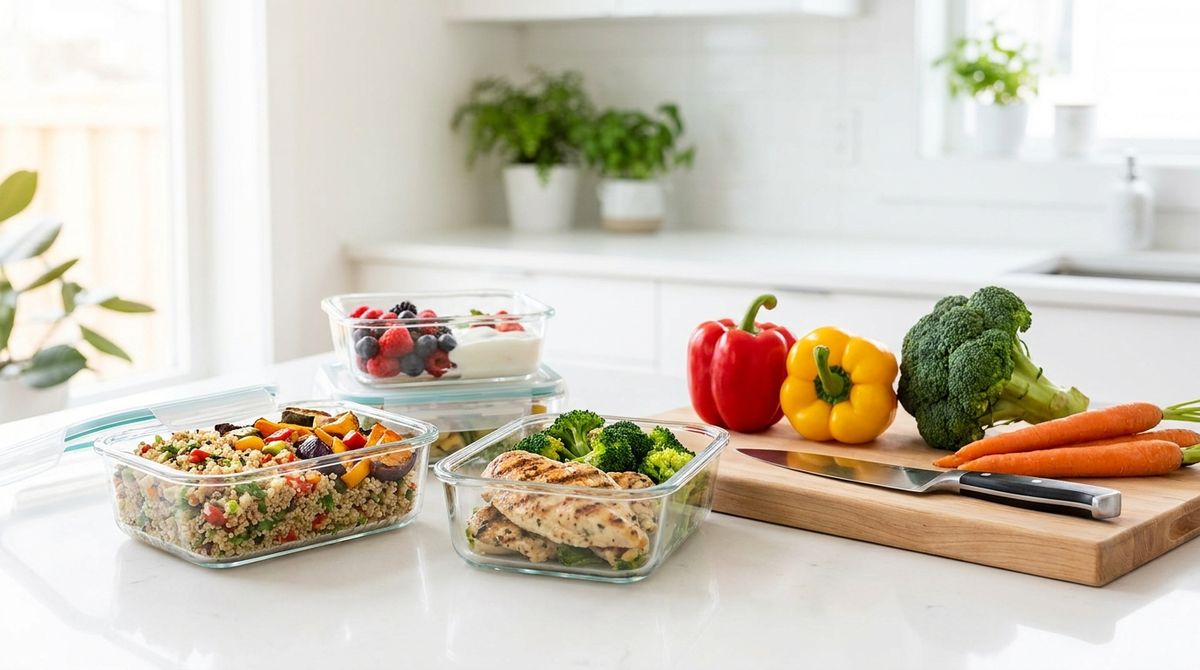
A home kitchen can feel like a revolving door, with ingredients arriving, half-used and then quietly going bad at the back of the fridge. Meal prep offers a calmer approach. Instead of cooking from scratch every evening, a household prepares a few building blocks in advance and turns them into different dishes through the week. The method also reduces waste, since leftovers become a planned part of the menu rather than an afterthought. The steps below describe a practical way to start without buying special equipment or following strict recipes.
Planning Around What Is Already Open
Begin by checking what is already in the kitchen. Open packets of rice, half a jar of tomato sauce, a bag of carrots that needs using and a block of cheese that is drying out all deserve a place on the plan. Write down every item that could be cooked soon, then sketch two or three meals that use them. Readers may also want to visit money-4me.com. Starting from what you already own saves money and keeps the shopping list short.
Plan meals that share ingredients. A roasted tray of vegetables can appear in a grain bowl, a wrap and a soup. Overlapping ingredients make the plan easier to follow and reduce the number of separate items that must be stored.
Batch Cooking Basics
Batch cooking means preparing a larger quantity of a few core items in one session. Choose a protein, a grain and two or three vegetables that store well. Cook them with simple seasoning so that they can be flavored differently later. A large sheet pan, a heavy pot and a few sharp knives are often enough. Keep the cooking window realistic, perhaps one or two hours, and avoid recipes that demand constant attention. You can also visit mortgage-2you.com for more reading.
Allow each component to cool slightly before packing it. Hot food traps steam inside containers, which can soften textures and encourage spoilage.
Storing Food Safely in Containers
Safe storage keeps batch cooking worthwhile. Use shallow, clean containers so that food cools quickly, and label each one with the contents and the date it was made. Store cooked items in the refrigerator within a short window, and check that the appliance is cold enough to keep food safe. Grains and beans can be frozen in portions for later use. Thaw frozen items in the refrigerator rather than on the counter. Keeping a simple log on the fridge door reminds everyone which containers should be eaten first.
Choose containers that suit the way you eat. Glass holds heat well and avoids staining, while lightweight plastic is easier to carry to work. Either option works if the lids seal properly and the containers are washed thoroughly after each use.
Repurposing Leftovers Into New Meals
The real value of meal prep appears when leftovers turn into new dishes. Roasted chicken can become a salad, a soup or a quick filling for flatbread. Cooked rice can be stir-fried with eggs and vegetables, or stirred into a bowl with herbs and lemon. Sauces are especially useful, since a spoonful changes the flavor of almost any base. Keep a few staple seasonings within reach so that each meal feels fresh rather than repetitive.
Taste leftovers before reheating them, and adjust seasoning with salt, acid or herbs. A small change often makes the second serving feel like an intentional new meal.
Keeping Waste Low at Home
Reducing waste is a steady habit rather than a single decision. Keep a bowl on the counter for vegetable trimmings that can become stock, and freeze them until you have enough for a pot. Check the pantry each week for items nearing their best-by dates, and move them to the front of the plan. Serve smaller portions first and offer seconds, which prevents plates from being scraped into the bin. For a related read on this site, see Organizing a Friends Clothing Swap That Feels Fair.
Try rotating a small number of base recipes each month instead of repeating the same dinner every week. A tray of roasted vegetables, a pot of seasoned beans and a batch of herb rice can be assembled in many combinations, and each combination feels new. Keeping the base the same also simplifies the shopping list and the storage routine, since you already know how much of each item to prepare.
Involve the people who eat the food in the plan. Ask which flavors they enjoy, which textures they dislike and which lunches they would happily carry to work. Their answers guide the batch cooking choices and make it far more likely that the containers will be emptied rather than forgotten at the back of the fridge.
Over time, a household that preps and plans will notice fewer surprises in the fridge and a clearer sense of what is needed at the store. Those small wins make cooking less stressful and food more enjoyable, which is the real purpose of a leftover-friendly kitchen.