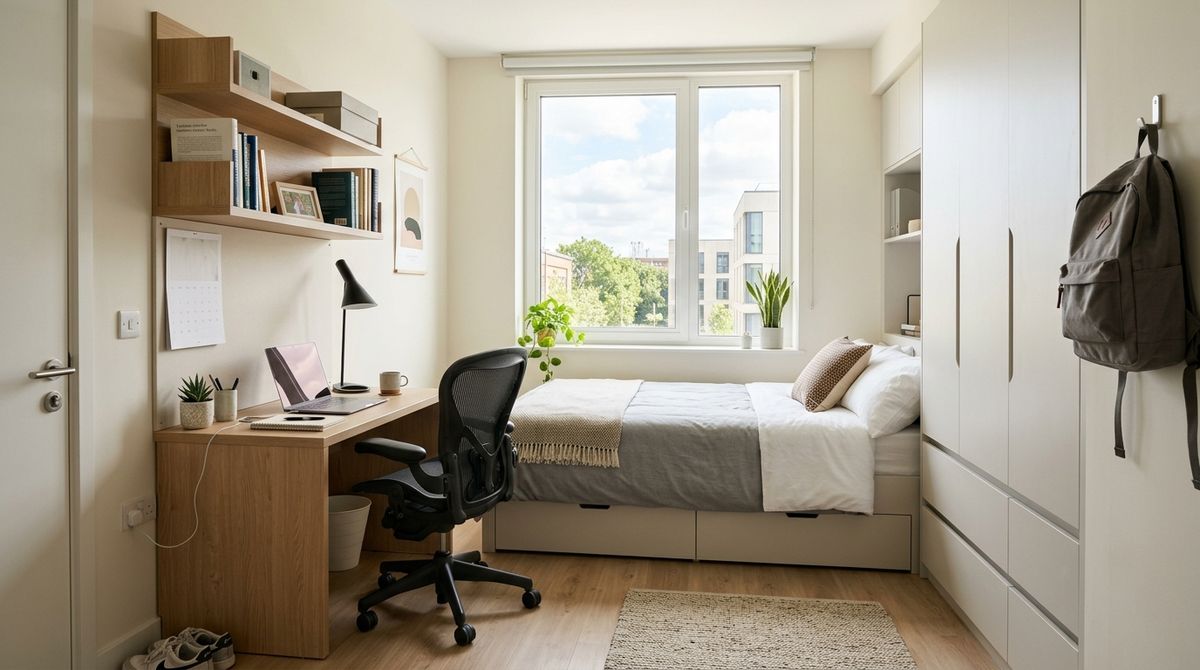
Moving into a rented family home is a chance to set up a learning corner that fits daily life. Children and adults alike need a quiet spot for reading, homework and creative projects. A small, well-chosen area can make learning feel natural instead of forced. The corner also signals that curiosity has a place in the home from the first week.
This article covers how to pick a location, arrange furniture and stock materials for a learning corner in a rental. It stays general and suggests ideas that work with limited space and flexible budgets. The goal is a calm, practical setup that can grow over time. Each section builds on the one before it, so the corner evolves with the household.
Choosing a Spot That Gets Used
Look for a corner near a window, a coat hook or a shared living area where a family member can keep an eye on things. Avoid spots that are constantly used as a walkway, since constant movement breaks concentration. Readers may also want to visit advanceautocars.com. Consider the natural light at different times of day before choosing the final place. A spot that feels inviting is more likely to be used.
Test the chair and table height with the person who will use the space most often. Sit at the table with a book and check that elbows rest comfortably. Make sure the outlet for any lamp or device is safe and within reach of a cord. Confirm that the corner does not block a door or an exit. Practical testing helps the corner work for real study sessions.
Arranging Furniture for Focus
A sturdy table, a comfortable chair and good lighting create the basics of a learning space. Position the desk so the light falls from the side rather than behind the page. You can also visit Angkor Car Guide for more reading. Keep the view from the desk calm, with minimal clutter and few bright objects. Simple arrangements tend to help people settle into focused work.
Store frequently used items within arm’s reach to save time during study sessions. Keep a small basket for pencils, erasers and scissors so they are never far away. Place a clock or a timer where the student can see it without turning around. Add a soft rug or cushion if the corner is near a hard floor. Comfort and convenience make the space more inviting over long sessions.
Stocking Materials That Stay Organized
Clear bins, labeled trays and a small shelf keep paper, pencils and craft materials sorted. Choose containers that can be moved if the family changes rooms later on. For a related read on this site, see Switching to a Monthly Home Service Visit. Group materials by subject or activity so children can find what they need without help. Keep a small rolling cart for supplies that move between the corner and the kitchen table.
Rotate books and projects every few weeks to keep the corner fresh and interesting. Store seasonal items out of sight and bring them out when they are needed. Use a clear container for loose stickers, cards and small pieces so nothing is lost. Ask children to help tidy the bins at the end of the week. Organized supplies make learning more enjoyable for everyone.
Making Room for Creative Projects
A learning corner can include a small art tray, a whiteboard or a basket of simple science items. Keep messy materials on a washable mat or tray so cleanup stays quick. Choose a whiteboard that can be wiped down easily and mounted safely in a rental. Include a few open-ended items, such as clay, blocks or magnifying glasses, to spark curiosity. Creative tools encourage children to explore beyond worksheets.
Set aside a shelf for finished projects so children can see their progress over time. Rotate the displayed work to keep the shelf feeling fresh and celebratory. Take photos of large creations before they are packed away. Let the family vote on which project deserves a special place for a week. Visible progress builds pride and motivation in young learners.
Keeping the Corner Adaptable
Rentals may change as families grow, so choose pieces that move easily from room to room. Lightweight furniture and mobile carts adapt well to new spaces without damaging floors or walls. Avoid heavy built-in fixtures that might be difficult to remove at the end of the tenancy. Measure doorways and stairs before buying bulky items so they can be moved later. Flexibility protects both the household and the deposit.
Ask the household what works each month and adjust the setup accordingly. Watch how children use the space and notice when they drift toward other areas. Move the table or change the lighting if the corner stops feeling inviting. Keep a short list of changes to try during school holidays or quieter weeks. An adaptable corner can keep serving the family through many seasons.
A learning corner in a rented home can be simple, welcoming and easy to adjust. Thoughtful placement, sturdy furniture and tidy storage help each family member feel at ease. The best corners grow with the household rather than staying fixed.