
Welcoming an animal companion into a shared home is one of the most rewarding milestones a couple can experience. The joy of warm greetings at the front door, quiet evenings on the sofa, and weekend outings adds warmth to any living space. Yet beneath that domestic bliss lies a reality that many romantic partners do not anticipate: caring for a living creature brings differing habits, deep-seated beliefs, and daily friction straight to the surface.
Disagreements rarely stem from a lack of affection for the animal. Instead, they happen because two people enter a shared living space with different standards for cleanliness, safety, routine, and discipline. If you have already explored our guide to raising a dog together, you already understand how welcoming a four-legged friend reshapes domestic life. When daily pressures mount, even minor decisions—such as whether paws belong on the bed or whose turn it is to step outside in freezing weather—can quickly spark unnecessary arguments.
Navigating these tensions requires clear conversation, deliberate compromises, and mutual empathy. When approached thoughtfully, resolving differences in how you care for your pet can actually deepen your bond, transforming a potential source of irritation into an ongoing lesson in partnership.
Understand the Background Behind Each Other’s Standards
Most pet owners carry unconscious assumptions formed long before their current relationship began. If you grew up in a household where animals slept under the covers and received table scraps during dinner, you likely view those habits as expressions of love. If your partner was raised in a home where pets stayed on designated floor mats and followed strict boundaries, your relaxed approach may look like carelessness or poor discipline.
Rather than arguing in the middle of a frustrating moment, schedule a calm conversation to explore where your respective instincts come from. Ask your partner about the family animals they lived with during childhood and what routines felt normal to them. Sharing these personal histories helps take the defensiveness out of the conversation. You begin to understand that your partner is not trying to be overly rigid or intentionally permissive; they are simply acting on familiar patterns.
Once you recognize the source of each other’s habits, you can stop labeling one style as correct and the other as wrong. From that baseline of understanding, you can deliberately design a hybrid approach that honors both perspectives while prioritizing your household comfort and your animal’s well-being.
Establish Consistent Rules and Behavioral Boundaries
Mixed signals are confusing for animals and exhausting for couples. When one partner allows begging at the kitchen table and the other sends the pet to a dog bed for doing the exact same thing, the animal becomes anxious and unpredictable. In turn, the stricter partner ends up feeling like the perpetual disciplinarian, while the more permissive partner feels unfairly judged for being affectionate.
Sit down together and write out clear household ground rules. Discuss core lifestyle topics, including sleeping arrangements, furniture privileges, feeding times, and how to greet visiting guests. Consistency is the true foundation of stress-free pet ownership. When an animal understands clear boundaries, undesirable behaviors naturally decline, eliminating many everyday arguments before they ever start.
When training challenges arise, relying on neutral, reliable information prevents subjective arguments about who is right. For clear guidance on behavioral consistency and everyday canine wellness, checking out dogs-info.net can give both of you a shared reference point so you are not arguing over subjective opinions. Agreeing on a single source of advice helps you build a unified approach rather than battling over competing instincts.
Divide Daily Tasks Fairly to Avoid Resentment
Resentment in a relationship rarely arrives with a dramatic announcement. It builds slowly through repeated feelings of imbalance. If one partner quietly shoulders the less glamorous duties—such as morning walks, litter box cleaning, administering medications, and scheduling vet checkups—they will eventually feel taken for granted. Meanwhile, the other partner might assume everything is running smoothly simply because no complaints were voiced.
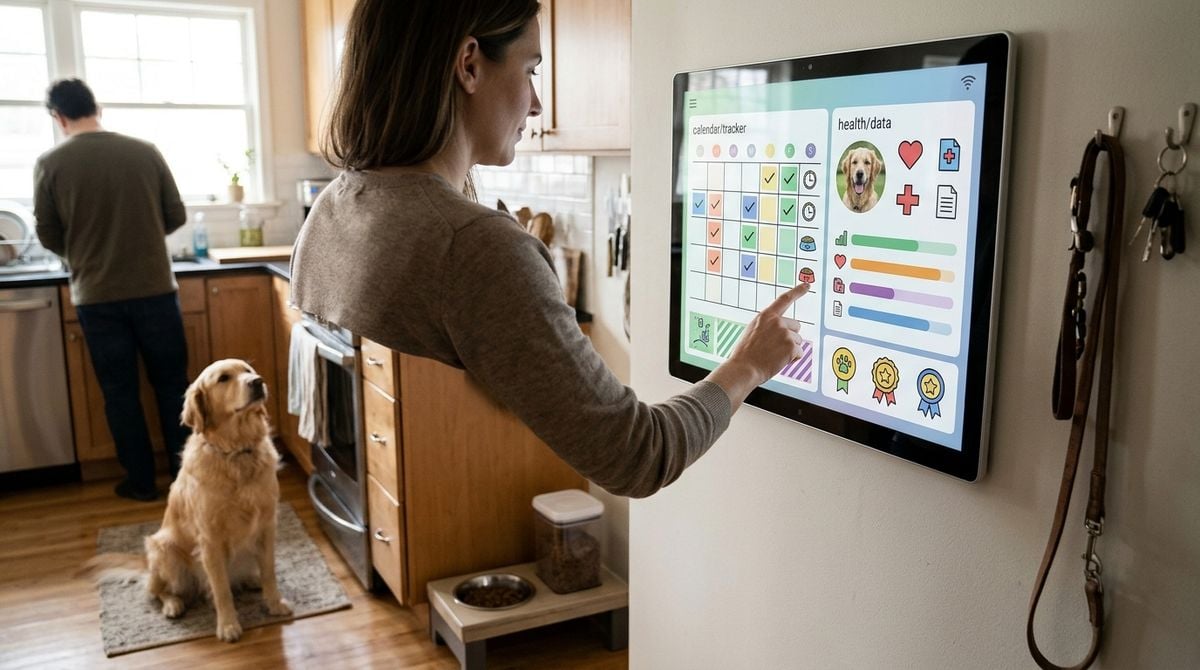
Prevent this emotional drift by turning unspoken assumptions into clear, explicit agreements. Take an honest inventory of the tasks required to keep your pet healthy and your living space clean. Rather than attempting a rigid equal split on every single duty, distribute chores according to your individual work schedules, energy levels, and personal preferences.
Here is a practical checklist of core duties to review and divide together:
- Managing morning and evening feeding routines
- Planning daily walks, exercise sessions, and outdoor bathroom breaks
- Handling regular grooming, coat brushing, and bath times
- Scheduling veterinary appointments and administering preventative medicines
- Keeping feeding stations, bedding, and pet living areas clean
Once you assign primary responsibility for specific tasks, offer your partner grace and autonomy. If your partner is in charge of feeding, let them complete the routine in their own way without hovering or correcting minor details. Trusting each other to follow through is essential for maintaining mutual respect.
Support Your Shared Wellbeing with a Proactive Care Routine
A thriving household requires looking beyond immediate chores toward proactive care and environmental enrichment. When pets are under-stimulated, bored, or under-exercised, they frequently act out by chewing furniture, barking excessively, or showing restless behavior. These behavioral problems create chronic ambient stress in the home, which often spills over into how partners speak to each other after a long day.
Taking a proactive stance toward pet enrichment transforms pet care from a lingering duty into a fun, shared lifestyle habit. Exploring thoughtful suggestions on Geek Fishing can help you and your partner discover practical ways to nurture your animal’s happiness while simplifying your shared routine. Introducing puzzle toys, rotating play items, and planning stimulating outdoor walks together drains excess energy and promotes a calm, peaceful home environment.
In addition, prioritize regular veterinary checkups and preventive health measures as a team. Health uncertainties often produce high anxiety and financial hesitation, which can strain even the strongest relationships. Discussing your expectations regarding preventive care, pet wellness, and emergency preparation before an urgent situation arises ensures that both of you feel secure, prepared, and aligned.
Communicate as Teammates When Challenges Happen
Even with excellent routines and fair chore divisions, difficult moments will occur. An animal will occasionally chew a favorite pair of shoes, make a mess on a clean rug, or suddenly fall ill in the middle of the night. In high-stress situations, our instinct is often to assign blame to whoever was supposed to be watching the door or monitoring the food dish.
Whenever an accident happens, make a conscious effort to address the situation together rather than pointing fingers. The animal does not benefit from your mutual frustration, and your relationship certainly suffers when minor mishaps turn into personal accusations. Treat every unexpected mess or behavioral setback as a shared problem to solve rather than an opportunity to critique your partner’s attentiveness.
After the urgent situation is resolved and emotions have settled, hold a brief, kind check-in. Talk through what happened, identify what you might adjust in your physical setup or daily routine to prevent a repeat, and thank each other for stepping up. Approaching mishaps as mutual learning opportunities reinforces your emotional safety as a couple.
Sharing a home with an animal is a continuous exercise in cooperation, communication, and mutual compromise. By respecting each other’s viewpoints, dividing responsibilities with fairness, and staying united through inevitable challenges, you protect the romance in your partnership while providing your companion with a secure, loving home.