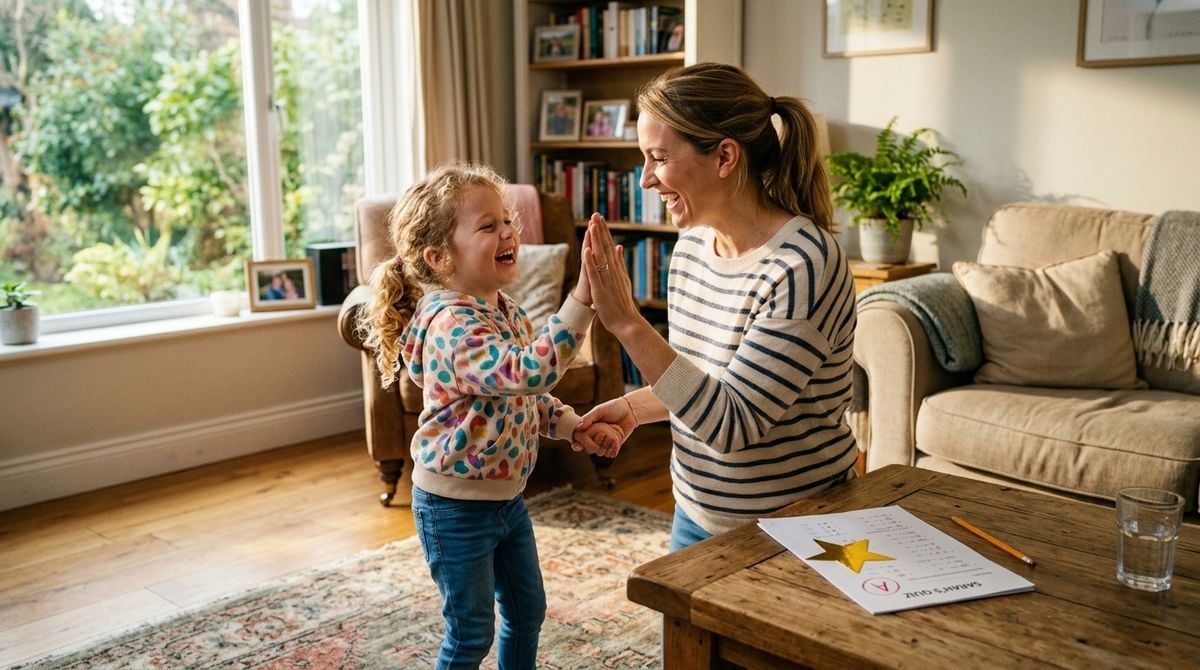

A household with children at different school levels can feel as though several jobs are running at the same time. One child needs help with long division, another is preparing for a science exam, and the youngest wants someone to listen to a reading book before bedtime. Parents often end up hovering over whichever child shouts loudest, while the quieter child struggles without support and stops asking for help altogether. This article offers general guidance on dividing homework help turns between parents, so that each child gets focused attention and the evening work is shared fairly across the household week by week.
Listing Each Child’s Needs for the Week
Begin by writing down what each child needs help with across a normal week, based on what comes home from school. Include subjects, due dates, reading goals and any tests coming up in the next few weeks. Note the kind of support each child responds to best, whether that is a worked example on paper, a quiet space to concentrate or a short chat before starting the first task. Readers may also want to visit Similar Times. A clear picture of each child’s needs makes it far easier to plan who helps with what, and when. It also helps parents notice when a child is quietly falling behind before the problem grows.
Matching Parents to Subjects and Schedules
Parents bring different strengths and different availability to homework time, and the best match is rarely random. One parent might feel confident with maths problems, while the other enjoys reading and writing with the younger child at the kitchen table. Work schedules matter too, so the parent who finishes earlier in the day may take the first homework session of the evening. You can also visit bbcnewspoint.com for more reading. The goal is for each child to have someone who feels comfortable and patient with the work in front of them. Patience matters more than expertise when a child is tired or frustrated.
Building a Homework Rotation
A simple rotation keeps the evenings predictable, which children usually find reassuring. Assign each parent a fixed slot for each child on specific days, and write the schedule on the fridge or in a shared calendar that both parents check. Include a short handover note for anything the other parent should know, such as an upcoming spelling test or a difficult worksheet that caused tears. For a related read on this site, see Dye Bleeding in the Washing Machine: Quick Fixes. A short checklist helps too, so that bags, devices and reading books are ready before each session begins. A rotation turns homework from a nightly argument into a routine that everyone can rely on.
Creating a Calm Space for Each Session
Children learn better when their workspace is quiet, comfortable and free from constant interruptions from siblings or the television. Set up a small study corner, even if it is only a tray on the kitchen table, where each child can concentrate without distraction. Keep a shared box of pens, rulers and paper so that nothing needs to be hunted for at the last minute. Parents can also use a visual timer to mark short focus blocks followed by brief breaks, which suits younger children especially well. A calm setup helps every child feel that their session genuinely matters to the adults around them. Even a small tidy corner can make a big difference to focus.
Reviewing the Rota Each Half Term
Children move up levels, friendships change and new subjects appear, so the homework plan should be reviewed regularly rather than left alone for a year. Each half term, ask the children which support feels most useful and which feels less helpful to them personally. Check whether either parent feels stretched and whether one child is consistently receiving less attention than the others. Adjust the rota, the subject matches and the study space as needed, and explain the changes to the children in simple terms. Regular review keeps the homework plan working well for every child at the same time. It is also a good moment to celebrate progress, however small it may seem.
Homework help is easier to share when parents list each child’s needs, match helpers to subjects, build a clear rotation, prepare a calm space and review the plan each half term. Every child deserves focused attention, and a shared plan makes that possible even when the levels differ widely across the household. Many parents find that a little planning turns a chaotic week into a series of calmer and more predictable evenings. Parents who divide the work openly also model a kind of teamwork that children tend to remember long after they have left school. A steady evening routine can make a crowded household feel surprisingly manageable. Children who know what to expect tend to settle into their work faster, and parents often find the evenings lighter as a result.