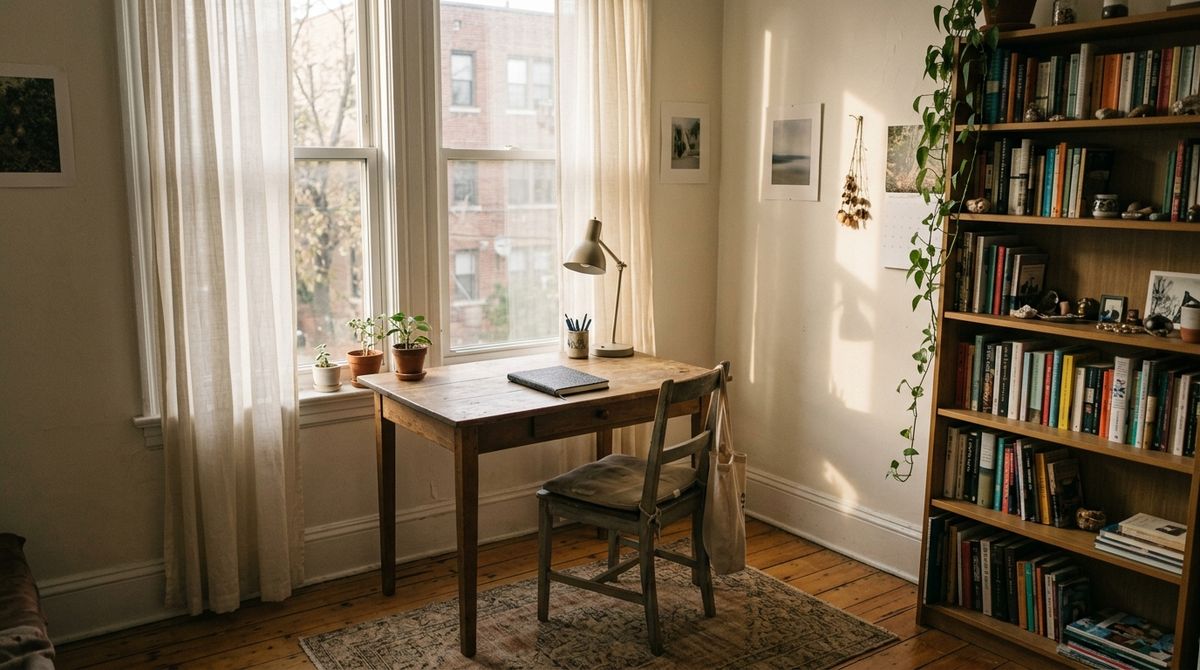
A folding screen can turn a bare corner into a quiet study nook without requiring a full room. Many families use one to separate homework from the rest of the living space, especially when a home has few rooms. A good learning corner needs light, a firm surface and a few storage options that do not spill into the rest of the home. This article offers general ideas for building a tidy learning space behind a screen. The approach suits younger learners and older students alike.
Pick the Right Spot and Screen
Look for a corner that gets daylight during study hours and stays away from the television and kitchen traffic. Measure the desk and chair before choosing a folding screen, so the sitting space remains comfortable. Choose a screen with sturdy hinges and a light color that reflects some daylight. Test how the screen stands on the floor, since a wobbly panel can be frustrating during a lesson. A stable setup helps concentration.
Let the learner sit in the spot for a few minutes before finalizing the arrangement. Readers may also want to visit betterhomeguide.com. Adjust the angle of the screen until the learner feels private but not closed in. Check that the screen does not block a window or a door. Keep the cord of the lamp away from the path of traffic.
Place the desk so the learner faces the room rather than a blank wall. A calm view helps some students feel less isolated.
Build Storage Within Arm’s Reach
Study materials pile up fast. Use a shallow shelf above the desk for workbooks and a rolling cart for supplies that need to move. Keep pencils, scissors and tape in a lidded tray so they stay together. Store finished work in a labeled folder that the learner can add to each week. Easy access reduces time spent searching and keeps the corner calm.
Choose bins with clear fronts so the contents are visible at a glance. You can also visit garrettiron.com for more reading. Keep a small basket for returned library books near the door of the screen. Label the shelves by subject so the learner can find materials quickly. Keep a calendar near the desk for upcoming tests and projects.
Use a clear label on each drawer so younger learners can help tidy up.
Add Light, Comfort and Quiet
A good lamp makes long reading sessions easier on the eyes. Position the light so that it falls on the page rather than the screen or the learner’s face. Add a cushion or a supportive chair that keeps posture comfortable. Use a soft rug if the floor is hard, which also muffles small sounds. Comfort helps learners stay engaged for longer stretches.
For a related read on this site, see Hanging Floating Shelves as a Calm Weekend Home. Keep a basket of quiet activities nearby for breaks. Check the lamp bulb and cord each term so the light stays safe and steady. Choose a lamp with a stable base so it does not tip during writing. Keep a soft cloth nearby to clean the lamp shade.
Set Routines for Study Time
A predictable routine helps learners settle into the corner quickly. Choose a set start time and a short warm up task, such as reading a page aloud or sorting pencils. Use a timer for focused blocks and add short breaks in between. Keep the corner tidy at the end of each session so the next one starts fresh. Routines build calm without constant reminders.
Praise effort and steady progress rather than only the final result. Encouragement keeps the learner motivated across many weeks. Celebrate a finished workbook with a small, simple reward. Mark completed units on a chart the learner can see from the desk. Keep the chart simple so updating it takes a moment.
Keep a timer or a simple clock on the desk so breaks and study blocks are easy to track.
Refresh the Corner as the School Year Moves
The school year brings new topics, projects and supplies, so the corner should change with it. Rotate workbooks and remove materials that are finished. Review the lighting and seating as the learner grows. Move the screen if a new piece of furniture makes the space feel cramped. A refreshed corner keeps study time fresh.
Ask the learner what feels helpful and what feels distracting. Their feedback often leads to small changes that make a big difference. Write down each change so the setup can be recreated later. Take a photo of the corner before major changes so the old setup is easy to recall. Store the photos in a shared folder.
A Quiet Corner That Works
A folding screen can turn a corner of a busy home into a focused learning space. Thoughtful lighting, reachable storage and steady routines help students settle in and make progress. Keep the setup flexible, invite feedback and let the corner grow along with the learner. Small adjustments make a quiet corner feel like a real place to learn.