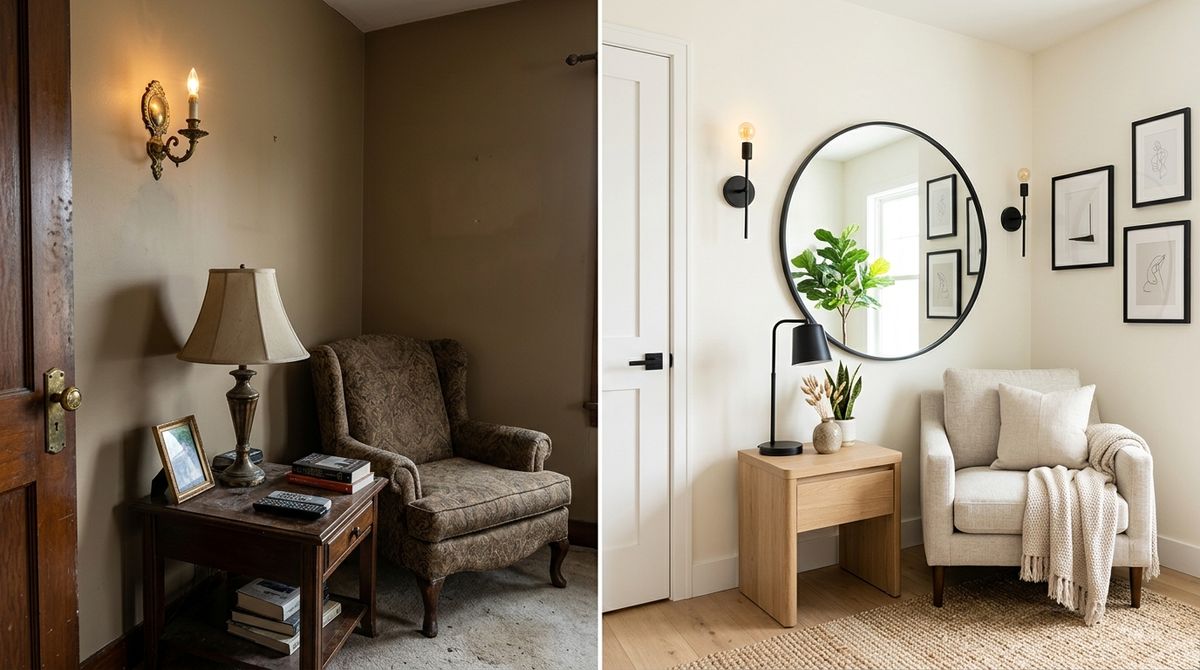
Families who learn at home often need a space that works after a full day of other obligations. A kitchen table covered with laptops and craft supplies can make focus difficult for everyone. This article shows how to build a simple learning corner that supports short sessions between work and bedtime. The ideas are practical, low cost and flexible enough for different ages. Parents can start with a single corner and expand the idea gradually as the family’s needs change.
Choose a Spot With Natural Limits
Look for a corner that already has a natural boundary, such as a wall, a bookshelf or a window nook. Boundaries help a child understand when learning time begins and ends. Readers may also want to visit The Encarta. Pick a spot that can be cleared quickly after each session.
Consider how the space looks when it is empty as well as when it is full. A corner that feels tidy at the end of the day encourages the family to return to it with a fresh attitude.
Check the lighting before anything else. A lamp that angles away from the page reduces glare and eye strain. Natural light is ideal during the day, and a warm desk lamp serves well in the evening. Choose a bulb that does not flicker, since flicker can make reading harder over long sessions.
Keep the corner away from the television. Screens compete for attention, and a noisy room makes concentration harder. A quiet location supports deeper reading and writing.
Use a rug or a cushion to define the area for younger children. A soft edge signals that the corner is for learning, and it can make sitting still for a short session feel more natural.
Set Up Storage That Resets Quickly
Storage determines how fast the space can reset. You can also visit regated.com for more reading. Use a simple system so that anyone can put a book or a folder back in the right place without asking.
Use pictures on the bins for younger readers, and words for older ones. Clear labels reduce the number of questions and help the corner stay tidy between sessions.
Store only what is needed for the current unit. Extra workbooks and supplies can go on a shelf out of sight. A smaller set of materials keeps the desk calm and reduces time spent clearing clutter.
Rotate materials from the shelf each month so the corner still feels fresh. Stored items can return later, which keeps the desk simple without losing variety.
Use a tray or a tote for projects that are still in progress. The tray can slide under the bed or onto a shelf, so the table returns to dinner use within minutes. A single tray keeps the family’s supplies from spreading across the house.
Plan Short Sessions Around Bedtime
Short sessions fit more easily into busy evenings than long blocks. For a related read on this site, see Access Details to Settle Before a Window Cleaner. A timer on the shelf helps children track the rhythm without constant adult prompts.
Let children choose the order of two or three tasks each week. Choice gives them a sense of ownership, and the routine still moves forward.
Put the most demanding task first while energy is still high. Reading aloud or a single math worksheet can come before a relaxed activity such as drawing. End the session with a quick review that names one thing learned.
Ask the child to explain one idea back in their own words. The explanation reveals what has stuck and what needs another look tomorrow.
Set a clear stop time so the corner does not slide into the bedtime routine. A closing ritual, such as tidying the tray and switching off the lamp, marks the end of learning in a calm way. Children often enjoy the closing step, which makes it easier to stop.
Keep the Corner Inviting
A learning corner should feel welcoming rather than strict. Add a plant, a favorite book or a small piece of artwork chosen by the child. Personal touches make the space feel like theirs and encourage regular use.
Ask each child to pick one item for the corner. Ownership grows when the choice is theirs, and the space starts to reflect the people who use it.
Rotate the books and materials every few weeks to keep curiosity alive. A small change in what is displayed can spark new questions without requiring expensive purchases. A library visit can supply fresh material at no cost.
A Corner That Serves the Whole Family
A home learning corner does not need a dedicated room or a large budget. A natural boundary, simple storage, short sessions with a clear finish and a welcoming feel can turn an ordinary corner into a reliable place for learning. Between work, meals and bedtime, the corner gives each family member a spot to focus and then rest. Over time, the corner becomes a familiar and welcome part of the home.