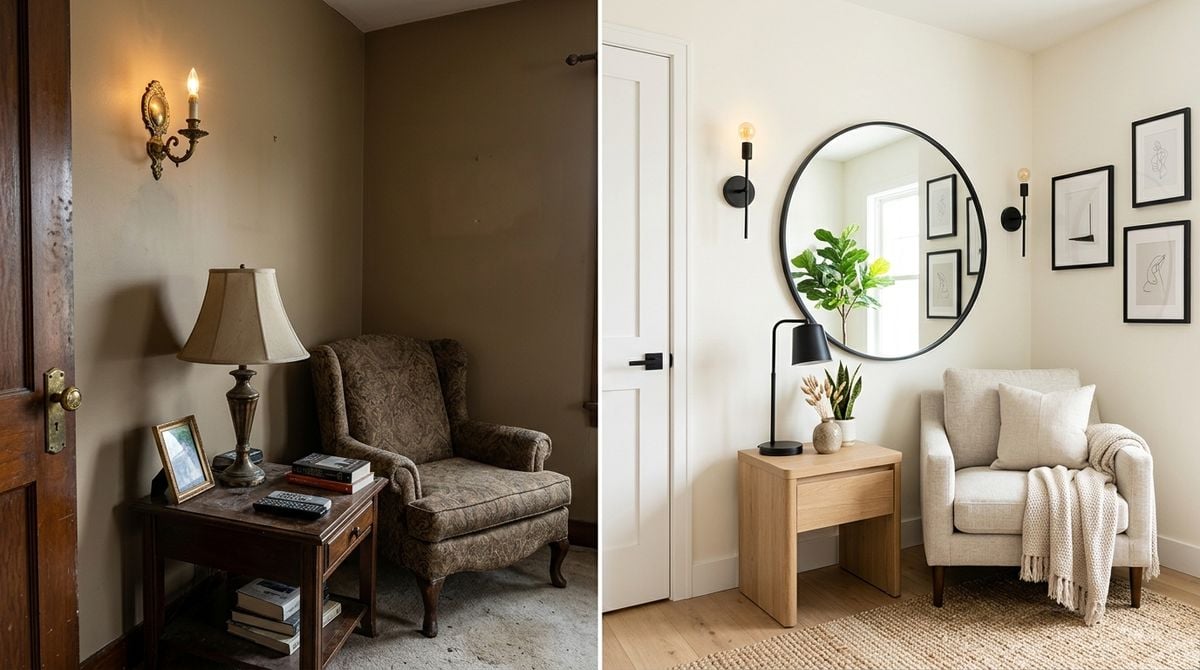
Children’s books often end up in the same place: a bedroom corner, a crowded box or a shelf that is too high to reach. Out of sight, they are easy to forget, and reading becomes a task that must be scheduled rather than a pleasant habit. Moving a shelf to a more open spot can change that dynamic. This article describes the shift from forgotten books to a reading spot that feels natural in the middle of family life.
The change is practical rather than dramatic. A low shelf, a comfortable seat nearby and a small selection of books can transform a corner of the living room. Children can grab a book during a quiet minute before dinner. Parents can sit beside them and share a page without planning a formal session. The room itself becomes a quiet invitation.
Books Stuck in a Bedroom Corner
Before the move, most picture books and early readers lived in the bedroom. A tall shelf held the collection, and the top rows were out of reach for small hands. Children read there only when the room was quiet, which rarely happened during busy evenings. Readers may also want to visit itvnews24.com.
The location made books feel like a chore rather than a treat. A child who wanted a story had to walk to a separate room and search for a specific title. Siblings sometimes fought over the few titles that were easy to reach. Stories were read in a hurry before bed, leaving little time to talk about the pictures. The shelf was full, yet the reading felt limited.
Placing a Low Shelf Where Family Gathers
A low shelf works best in a spot where people already spend time, such as beside a sofa or near a sunny window. Front-facing shelves show covers clearly, which helps children choose a book by sight. A sturdy, low design keeps books within easy reach and avoids the need for a stepstool. You can also visit casetify for more reading.
A small rug or cushion beside the shelf turns it into a reading corner without extra furniture. The lighting should be steady and gentle so eyes do not strain during longer sessions. Books can be rotated every few weeks so the display stays fresh. Keeping the collection to a manageable size prevents the corner from looking cluttered.
Reading Together Becomes an Easy Habit
Once the books sit in the living room, reading slides into everyday routines. A child might grab a book while waiting for dinner, and a parent can join for a few pages before bedtime. Short sessions feel natural rather than scheduled. Children begin to bring their own choices to the couch, and conversations about characters appear on their own.
For a related read on this site, see Freezer and Spice Shelf Upkeep Through the Year. Its suggestions fit a range of ages and household sizes. Adults should adapt the ideas to their children’s interests and attention spans. Small trials make the routine easier to keep.
Rotating Books to Keep Interest Alive
A shelf that never changes can start to feel dull, even when the books are excellent. Rotating a few titles every few weeks brings back the sense of discovery. Children can help choose which books move to storage and which come out for a new round. This small ritual makes the collection feel fresh without buying anything new.
Library visits or a shared swap with friends can supply new titles at little cost. Children might enjoy keeping a short list of books they finished, along with a line about their favorite part. The list becomes a personal record that grows with each season. Over time the shelf tells the story of what the family has enjoyed.
Some families label the shelf sections by reading level rather than by subject. Early readers can sit on one side, while longer chapter books rest on the other. Clear sections help children choose a book that matches their confidence. Parents can add a sticky note to show which titles have already been read together.
A simple basket near the couch can hold a few books that are ready for bedtime. Keeping the basket stocked turns the evening routine into a calm, predictable moment. Children learn to pick a favorite story and bring it to the same cushion each night. The ritual builds comfort around reading without any formal lessons. Grandparents, neighbors and older siblings can also join the reading corner during visits. A shared story can become a special event that children look forward to. Books that come from outside the house can be placed on the shelf for a short stay. The variety keeps the corner exciting for everyone who sits there.
A Living Room That Invites Learning
A bookshelf moved from a bedroom to the living room seems like a simple decision, yet it changes how a family spends its quiet moments. Children reach for books without being asked, and parents find natural openings to read together. The space feels warmer because it holds stories in plain view. The collection has not grown, but the way it is used has shifted toward curiosity and shared attention. That shift is the lasting gain.