A kitchen runs more smoothly when the freezer and spice shelf stay organized. Frozen food can hide forgotten items, and spices lose color and aroma over time. A small set of seasonal tasks keeps both areas useful, reduces waste and makes weeknight cooking easier.
The guidance below is general household information about storage and organization. It does not offer food safety certification, so follow the labels on packaged foods and the instructions from your appliance maker. Each season offers a natural reason to check a specific part of the kitchen.
Spring Freezer Clear-Out
Begin by emptying the freezer onto a clean counter and sorting items into categories such as meats, vegetables, bread and leftovers. Look for packages with heavy frost or torn wrappers, and decide whether each one is still worth keeping. Readers may also want to visit latest-news-today.com.
Return items to the freezer with the oldest packages at the front. Label each package with its contents and a short note about when it went in. A written inventory taped to the freezer door helps everyone in the household see what is available before shopping, which cuts down on duplicate purchases.
Summer Spice Shelf Check
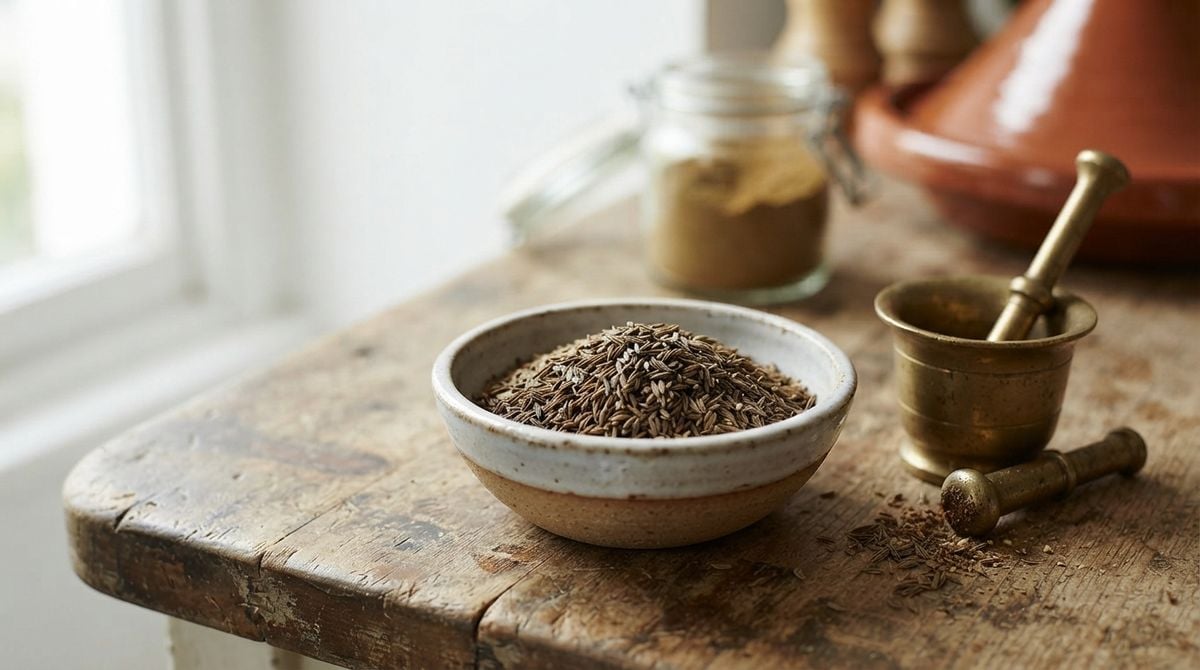
Summer heat and humidity can shorten the life of ground spices, so the spice shelf needs regular attention. Smell each jar and crush a pinch between your fingers. A strong aroma usually means the spice still adds flavor, while a faint scent suggests replacing it. You can also visit Chronicules.com for more reading.
Group spices by cuisine or cooking style, so frequent blends sit at eye level. Keep the original labels visible, and write a short note on the lid when a jar is opened. That note makes it easy to see which jars have been sitting unused for a long time and need replacing.
Autumn Stock and Ice Tray Routine
Autumn is a good moment to restock staples before colder weather brings longer cooking sessions. For a related read on this site, see Small Legal Housekeeping Jobs for a Calm Home. Use shallow containers so food cools quickly and fits neatly on shelves.
Clean ice trays, gasket seals and drawer liners while the freezer is empty. Wipe surfaces with a mild soap solution and dry them fully. Replace worn gaskets promptly, since poor seals let cold air escape and increase energy use over the course of the season.
Frozen fruit and vegetables can be a helpful backup during quieter weeks. Portion them into bags with a clear label and a short note about their contents. Use them first in smoothies, soups or stews, where texture matters less than flavor.
Keep a small tray for ice cubes made from herb-infused water or stock. These cubes add flavor to pan sauces and soups without measuring a full cup each time. Store them in a sealed bag and use them within a reasonable period, since strong odors from the freezer can migrate onto other foods.
Winter Batch Cooking and Rotation
Winter is a natural season for batch cooking, but freezers fill quickly. Place newer items toward the back and move older packages forward, so the oldest food gets used first. Write a short menu for the coming weeks, and use it to choose what to thaw first.
Keep the spice shelf tidy by returning jars to their groups after each use. Note which items ran low and add them to a shopping list while the thought is fresh. Consistent small routines make the kitchen feel calmer and more prepared for whatever the week brings.
Plan one meal each week that uses items from the freezer and the spice shelf together. A simple plan prevents waste and encourages creativity in the kitchen. Note the meal on the household calendar, and record which items were used so the inventory stays accurate. Ask everyone in the household to report when a jar runs low or a package is almost empty, since small reports keep the shopping list honest.
Think about labels as well. Clear labels stop people from guessing what a frozen package holds, and a permanent marker works well on freezer-safe tape. Write the contents in plain words, rather than shorthand that only one person understands. Spice jars benefit from the same approach, since a label that names the blend saves time when a recipe calls for a specific mix. Keep a small notebook near the freezer for ideas, substitutions and notes on recipes that worked well with leftover items. Over time that notebook becomes a personal cookbook that reflects how your household actually eats, so review it each season to keep the best ideas easy to find.
Freezer and spice upkeep rarely demands much time, yet it changes how confidently a household cooks. Clear-outs in spring, aroma checks in summer, restocking in autumn and rotation in winter form a complete cycle. Begin with the freezer this season, then turn to the spice shelf once the first routine feels natural to the whole household.