Taking a relationship beyond dinner dates and living room routines often means exploring unfamiliar environments together. Coastal getaways, snorkeling trips, kayaking outings, and introductory scuba dives offer an energizing way for couples and household members to build memories. Spending time on open water introduces novelty and excitement that can draw people closer, but it also brings physical demands, changing weather conditions, and distinct safety responsibilities.
When planning an aquatic adventure, enthusiasm can easily eclipse the practical details that keep an outing pleasant. Misunderstandings about physical stamina, overlooked safety orientations, or rushed paperwork can quickly turn an anticipated day on the bay into a source of friction. Taking time to coordinate before leaving home helps protect both your relationship and your personal comfort, ensuring that both partners feel secure.
Aligning on Comfort Levels and Physical Stamina
One of the most common challenges couples face during outdoor activities is assuming that both individuals share the exact same comfort zone. Swimming in open water, navigating boat wakes, or carrying heavy gear bags can feel very different depending on personal experience, swimming confidence, and energy. Before booking a boat charter or reserving rental gear, sit down together and talk openly about what kind of day each person actually envisions.
Honesty about physical comfort prevents frustration from quietly building up halfway through an outing. If one partner tires quickly after standing on docks or feels unsteady on wet boat decks, you can take deliberate steps to address those needs before reaching the water. Reviewing our guide on footwear and light layers for tired days can help you choose supportive shoes with dependable traction, breathable sun protection, and comfortable changes of clothing that keep both of you feeling supported throughout long transit periods and coastal walks.
Setting expectations also means deciding in advance how you will handle fatigue or nervousness. Establish a clear understanding that either person can call for a break, suggest an earlier return to shore, or sit out a particular activity without guilt. An outdoor adventure should always feel like an enjoyable invitation rather than an uncomfortable obligation.
Reviewing Waivers and Guided Excursion Paperwork
Commercial charter boats, guided tour operators, and rental kiosks almost universally require participants to complete liability waivers, medical questionnaires, and safety acknowledgments before heading out. In the rush to board, many couples treat these documents as mere formalities, signing them quickly without reading the underlying policies. Taking a few calm minutes to review what you are signing is an essential part of responsible travel.
Participant agreements typically outline the duties of the tour operator alongside the safety responsibilities of each guest, including following crew instructions and reporting equipment concerns. When planning technical activities such as scuba diving or offshore excursions, understanding the legal landscape and industry safety protocols can feel daunting. Gaining a clearer perspective through specialized resources like Diving Legal Consultant can help travelers grasp how maritime rules, participant agreements, and professional duties operate in recreational marine environments.
Never gloss over health disclosures or equipment check forms. If an operator asks about medical conditions, breathing issues, or medications, provide accurate answers so the crew can plan appropriate safety margins. Honest answers allow guides to tailor their supervision, keep buddy pairs well matched, and ensure that safety measures remain effective throughout the trip.
Understanding Consumer Rights and Tour Agreements
Planning water-based travel also involves financial and consumer considerations, from non-refundable charter deposits to rental contracts for paddleboards, personal watercraft, or diving gear. Changing ocean swells, sudden squalls, or equipment issues can alter or cancel itineraries on short notice. Knowing which policies govern cancellations, weather reschedules, and equipment damage deposits shields your household from unpleasant financial surprises.
Before submitting payment, check the merchant’s policies on weather delays, refund turnaround times, and dispute resolution procedures. Staying informed about broad consumer topics, liability updates, and everyday civil questions through platforms such as lawyernewsblog.com can provide valuable context when reviewing standard consumer contracts or navigating service disagreements with travel operators.
Save digital copies of your reservation confirmations, deposit receipts, and operator guidelines directly onto your phone for offline viewing. Having easy access to your booking paperwork lets you clarify schedule adjustments, equipment inclusions, or billing questions calmly, without letting paperwork disputes disrupt your time off together.
Essential Steps for Smooth Outing Preparation
A simple routine prevents minor oversights from causing unnecessary stress on the day of your adventure. Taking time during the evening before an outing to double-check equipment and review your travel route eliminates chaotic morning searches for essential items.
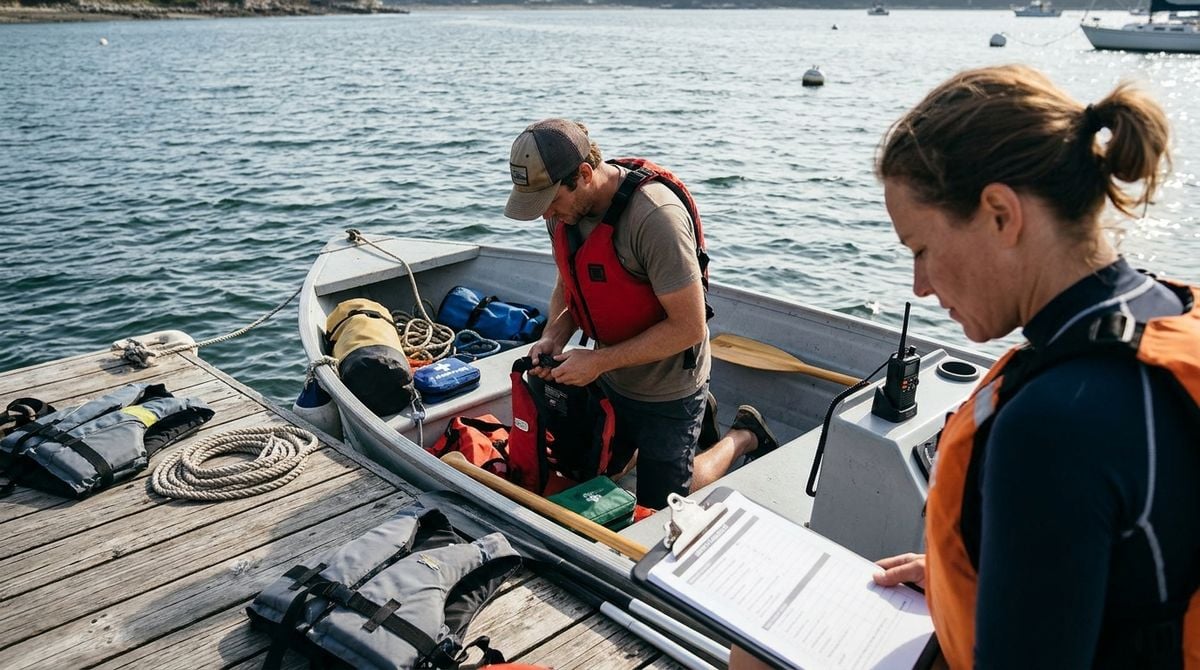
- Inspect all personal and rented gear before leaving the staging area, paying close attention to buckles, mask seals, and life jacket fittings.
- Confirm the exact departure dock, parking instructions, and required check-in time directly with the charter office.
- Pack a dedicated dry bag with essential personal items, dry towels, hydration packets, and gentle sun protection.
- Agree on basic hand signals and choose a clear physical meeting spot in case you get separated in busy marinas or crowded waters.
Completing these preparation tasks together turns packing into an organized team effort rather than a stressful chore. When gear and timing details are settled ahead of time, both partners can arrive at the dock feeling relaxed and ready to enjoy the day.
Communicating Clearly While on the Water
Marine environments are naturally loud and dynamic. Breaking surf, running outboard motors, whistling wind, and breathing regulators make regular speech difficult or impossible. Couples who have not discussed non-verbal cues beforehand often experience unnecessary confusion or misunderstandings when trying to communicate simple needs.
Before launching a kayak, boarding a boat, or descending beneath the surface, review fundamental hand signals together. Agree on uncomplicated gestures for signaling that you want to slow down, adjust equipment, take a breather, or head back to the boat. Practicing buddy checks before entering the water reinforces mutual attentiveness and reminds both partners that they are looking out for each other.
Keep a thoughtful eye on non-verbal body language throughout the day. A partner who suddenly falls silent, grips a boat railing tightly, or hesitates before stepping into the water may be dealing with fatigue, apprehension, or motion sickness. Responding with patient reassurance and suggesting a brief pause creates a supportive atmosphere where both individuals feel protected.
Creating Lasting Memories Through Shared Preparation
Exploring bays, reefs, and open coastlines together offers an exceptional opportunity to deepen your connection and share memorable adventures. When you honor each other’s physical boundaries, read excursion agreements with care, and maintain open communication, your time on the water becomes genuinely rejuvenating. Thoughtful preparation removes unnecessary friction, allowing both of you to focus on the beauty of the surroundings and the pleasure of shared discovery.