Most household repairs begin as small problems that nobody notices for months. A loose door seal lets warm air escape, a dripping faucet wastes water each hour, and a clogged vent slowly strains the fan. A calm seasonal check catches these issues early, when the fix is cheap and quick. This article describes a simple inspection routine that keeps running costs predictable without requiring any special training.
Walking the House Each Season
Choose one walk-through in each season and move room by room with a notepad. Look at door seals, window edges, under-sink cabinets and the area behind the refrigerator. Note anything damp, cracked, discolored or unusually noisy. The list should stay short and specific so that the walk takes less than an hour.
Keep the notes in the same place each time so changes stand out. Readers may also want to visit newlookcompany.net. Add your own items once you learn which parts of the house need the most attention.
Fixing Small Leaks Before They Spread
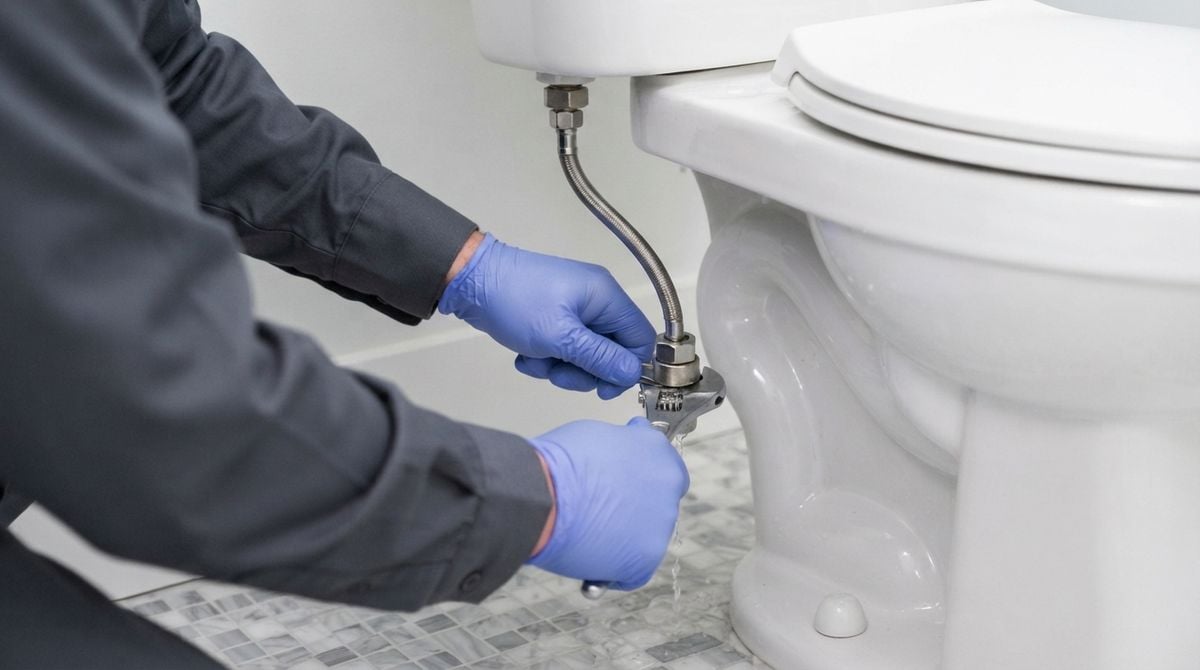
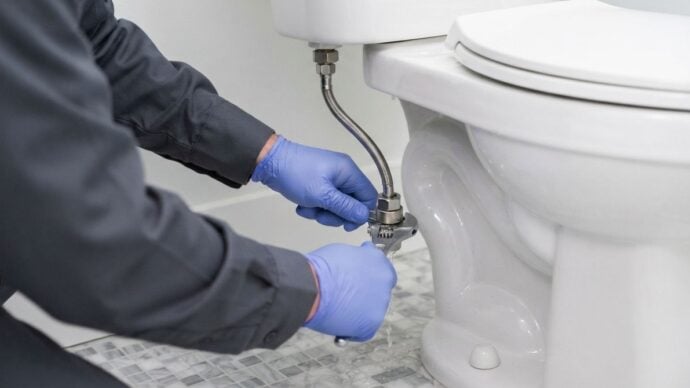
A drip that seems trivial can waste a surprising amount of water across a month, and it often signals a worn washer or a failing valve. Replace inexpensive parts as soon as you find them, using the old part as a guide when buying the new one. Tighten fittings gently, because overtightening can crack plastic threads and create a bigger job later.
Check the under-sink area and the toilet tank after every walk-through. A few drops of food coloring in the tank will show a silent leak in minutes. You can also visit FiveBPeol for more reading.
Sealing Drafts and Keeping Heat Inside
Drafts around doors and windows make heating and cooling systems work harder than necessary. Run a hand along the frame on a windy day to find gaps, then fill them with weatherstripping or a flexible caulk. Pick materials that match the surface so they last through several seasons.
Close curtains at dusk in cold months and open them during sunny hours to take advantage of natural warmth. For a related read on this site, see Trimming Waste From Vape Gear on Every Trip.
Keeping Filters and Vents Clear
Dust and lint slowly restrict airflow, forcing motors to run longer and wear out sooner. Replace or clean filters on a steady schedule, and vacuum vent covers when you pass them during the walk. Keep furniture a short distance from returns so air can circulate freely.
Write the filter change date on the frame or the inside of a cabinet door. A visible reminder is more reliable than memory, and it keeps the work from being postponed until something stops working entirely.
Vents and returns need attention in every season, not just the ones with the most obvious problems. Dust settles on grilles and behind furniture, quietly reducing airflow until a room feels stuffy or a fan sounds strained. Use a soft brush attachment on the vacuum to clear each cover, then wipe the surrounding wall. Check the ceiling fan blades as well, because a dusty fan spreads particles back into the air. Mark these tasks on the same walk-through list so they never get skipped during a busy week.
Older homes often hide ducts that are hard to reach without a ladder. If a vent cover looks loose or a seam has separated, note it for a professional visit rather than tugging at it yourself. Keep a flashlight in the same drawer as the notepad so inspections stay quick. When a technician arrives, point out the spots you noticed and share the dates from your log. Clear observations help the visit stay focused and reduce the time spent searching for the source of a problem.
Finish each walk-through by reviewing the list aloud with anyone who lives in the home. A shared checklist helps everyone understand what needs attention and why, which makes the next season’s walk-through faster and more pleasant. Small routines like these keep the whole house breathing easily.
Recording Repairs for Future Reference
Keep a simple repair log with the date, the problem, the part used and the person who fixed it. Over time the log reveals patterns, such as a particular window that always needs attention after heavy rain. That information helps you plan maintenance rather than reacting to emergencies.
Store receipts and manuals in a labeled folder or digital archive. When a warranty question comes up or a new technician arrives, the history is ready to share, which saves time and avoids repeat diagnosis visits.
Keep the walk-through list near the front door so it is easy to pick up. A quick glance at it before each season prevents the most common problems from slipping by unnoticed.
Small Checks, Lower Bills Over Time
Seasonal inspection is not glamorous, yet it is one of the most reliable ways to keep household expenses predictable. A short walk, a few inexpensive parts and a written log prevent the slow drift toward expensive repairs. Choose a date for the next walk-through now, while the details are fresh, and let the routine carry the home through the year.