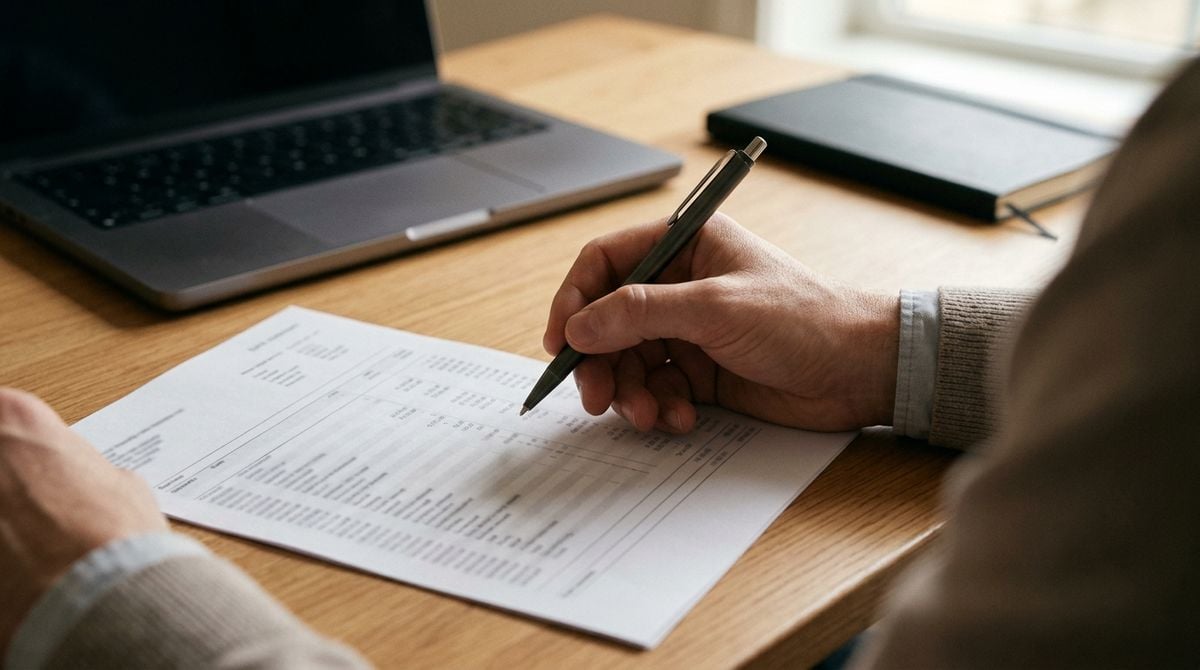

Most homes collect paper faster than anyone expects. Bills, warranties, school forms, medical summaries and insurance letters arrive in a steady stream, and they tend to end up in a kitchen drawer or a pile on the desk. A modest set of filing supplies can turn that clutter into a system that is easy to search. This guide covers the basics that hold up well and the extras that rarely earn their space at home.
The information here is general. It is meant to help you organize records, not to tell you which documents must be kept or for how long. Rules vary by place and by situation, so the practical advice below focuses on storage and retrieval rather than on what the law requires.
Folders and Labels That Hold Up Over Time
Sturdy hanging folders are the backbone of a home filing system. They keep documents upright, prevent tearing and let you slide new papers in without shuffling the whole drawer. Choose a drawer or box that matches the folder width, so papers do not slump to one side and bend at the corners.
Label each folder with a clear heading, such as household, vehicle, insurance or school, and write the label on a tab that stays readable. Printed labels look neat but can peel in humid rooms, so a good marker and a clear sleeve may last longer. Readers may also want to visit BusinessPhrases. Keep the labels short, so you can scan a drawer in seconds.
A Fireproof Box Versus a Simple Drawer
A fireproof box protects important originals from heat and water, which makes it useful for passports, deeds and certificates. Many households do well with a small box that sits in a closet and holds only items that are hard to replace. Check the rating on any box before buying, because claims about protection vary widely and the label should state the test standard.
A simple lockable drawer is often enough for everyday paperwork that you consult once in a while. You can also visit usamarketarea.com for more reading. Keep copies of important documents in a separate place, so a single loss does not wipe out everything at once. Store the box or drawer somewhere cool and dry, away from radiators and direct sun.
Digital Scanners and Backup Drives
A compact scanner that feeds pages automatically saves hours when a stack of receipts needs to be recorded. Scan documents at a moderate resolution that keeps the text readable without creating enormous files. Name each file in a consistent pattern, such as the subject followed by the topic, so searches return the right page.
A small external drive or a secure cloud folder gives a second copy of every scan. Keep at least one backup in a location different from the main computer, because a single device can fail or be lost. For a related read on this site, see Household Money Gear That Earns Its Place at. Test the backup now and then by opening a random file, so you know the copy is readable.
Gadgets to Skip for Basic Paperwork
Specialty machines for shredding, label printing and color coding can be useful in a busy office, but they are seldom necessary at home. A cross cut shredder is worth considering if you handle many sensitive papers, while a dedicated label maker often sits idle after the first week. A pen, a sheet of stickers and a few sturdy folders usually do the same job for less.
Fancy binders with built in dividers look appealing in a store but tend to swallow papers and make pages hard to pull out. Plastic sleeves are useful for receipts and small cards, though heavy use of them can trap moisture. Choose the simplest tool that solves the actual problem in front of you.
A Monthly Routine for Keeping Records Tidy
A fifteen minute review each month keeps the system from slipping. Open the inbox tray, sort new papers into their folders and scan anything you may need to find later. Discard duplicates and drafts that no longer serve a purpose, and file the rest in the correct place before the week ends.
Once a quarter, look through the folders and check whether any labels need updating. Move older items into an archive box, and keep the current year’s papers easily reachable. A regular routine is far more effective than a single large cleanup that takes an entire weekend and gets abandoned halfway.
Paper Trail Essentials
A labeled set of folders, a small fireproof box and a reliable backup cover most household needs. Start simple, review monthly and add supplies only when a real gap appears. An orderly drawer makes every later task easier.