A building with a concierge desk feels different from a standard apartment block. A person in a tidy lobby signs for packages, answers questions about the elevator and keeps track of who is coming and going. Newcomers often find the setup comforting from the first day, yet they are not always sure what the service actually covers once the boxes start arriving.
The first weeks in a building like this tend to bring a stream of small surprises. Some are pleasant, such as a parcel held safely until evening when someone is home. Others are easy to miss, including the house rules that quietly shape daily life. This article looks at the early impressions most newcomers share and at the details they tend to overlook while settling in.
What the Lobby Desk Actually Handles
A newcomer usually expects the desk to handle deliveries, and it often does. Staff may also take visitor names, hold keys for a short period or point residents to the right office for repairs. Asking what falls inside the service on the first day avoids confusion later, when a request seems obvious to the staff and strange to the resident who has just arrived.
Service hours are the next detail people discover. Some desks close in the evening or on weekends, and the building may rely on a rotating team of staff members with different routines. Knowing the schedule helps a resident plan a delivery or a visitor’s arrival. Readers may also want to visit tampabaybusinesslist.com.
Packages, Parcels and Storage Limits
Parcels are the first thing many residents use the desk for. A large box may need a signature, and some buildings only accept items for a set number of days before returning them. Newcomers who order often should check whether bulky deliveries have their own drop point, since the lobby space is limited and the staff cannot store everything at once.
Storage rules are easy to overlook. Some buildings allow a small bin in a basement cage, while others forbid anything near the fire exits or the stairwell landings. Reading the house guide carefully and asking a neighbor about common practice saves many awkward conversations later. You can also visit supportltd.net for more reading.
Guest Check-In and Shared Spaces
Visitors create the next set of questions. Some desks ask guests to sign a book, show identification or wait while a resident confirms the visit by phone. A newcomer who expects a quick handoff may feel delayed, so telling regular guests the process in advance keeps arrivals smooth for everyone involved in the visit.
Shared rooms such as laundry, a gym or a rooftop lounge follow their own booking rules. Calendars may sit beside the desk or live in an app, and some spaces need a reservation even on quiet days. For a related read on this site, see Labeling Leftovers in Shared Household Kitchens.
Noise, Trash and Shared Corridors
Every building has its unwritten etiquette. Trash chutes, recycling rooms and the mail area are busy at predictable times, and a newcomer who arrives with boxes at the wrong hour can cause a small traffic jam in a narrow hallway. Watching the rhythm of the lobby for a few days helps a resident settle in gracefully and avoid the most common mistakes.
Noise expectations also vary. Hallways carry sound, and a late move with heavy furniture can irritate neighbors who work early shifts or care for young children. Mentioning the move to the desk staff and scheduling loud tasks for daytime hours shows consideration without much effort, and it builds goodwill that makes the first months far more pleasant for everyone.
Fees, Contracts and Small Print
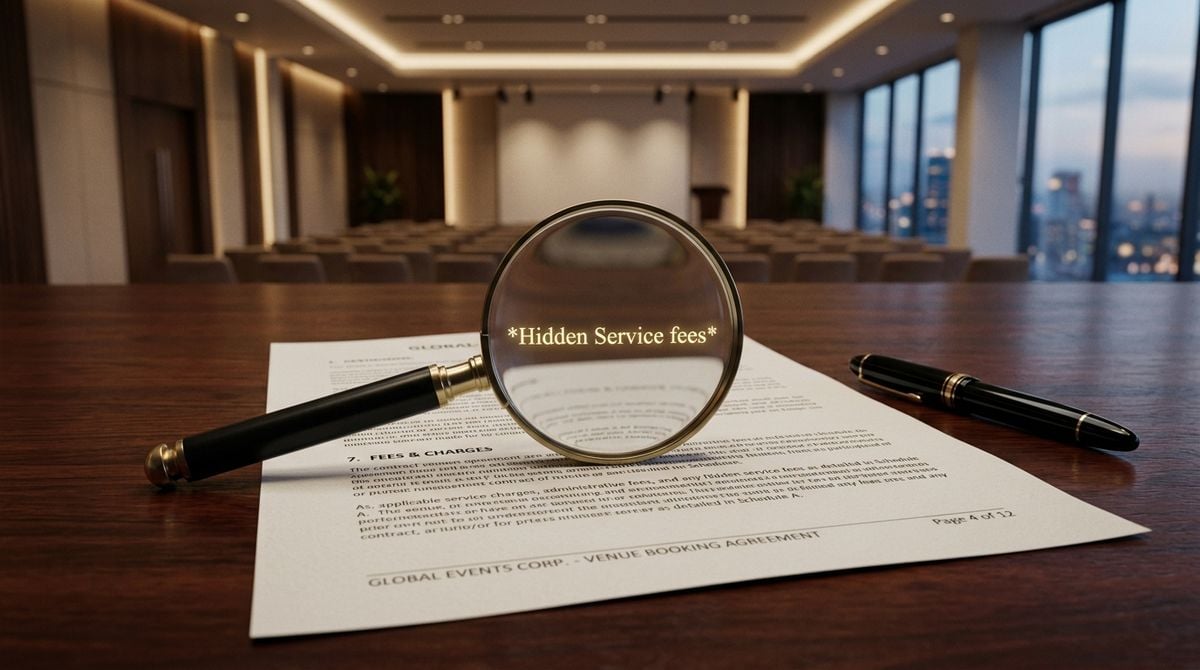
Concierge services sometimes come with fees that are not obvious at signing. A monthly charge might cover basic desk support, while extra services such as parcel forwarding or cleaning appear as add-ons on a later statement. Reading the lease summary carefully before the first week prevents surprises when the first bill arrives in the mailbox.
Ask whether the desk team can answer questions about the lease itself. Some staff know the building well but cannot give legal interpretation, so a newcomer should keep the lease and the house guide together in one folder. Written answers from management are easier to rely on than memory during a busy first month, and they provide a clear record if a question comes up later.
Settling In Without Surprises
A concierge desk can make a new home feel more secure and more organized, but its benefits depend on knowing what it does. Learn the hours, ask about storage and guest rules, and read the fee terms before the first bill arrives. Those early habits turn the desk from a mystery into one of the most useful parts of daily life in the building.