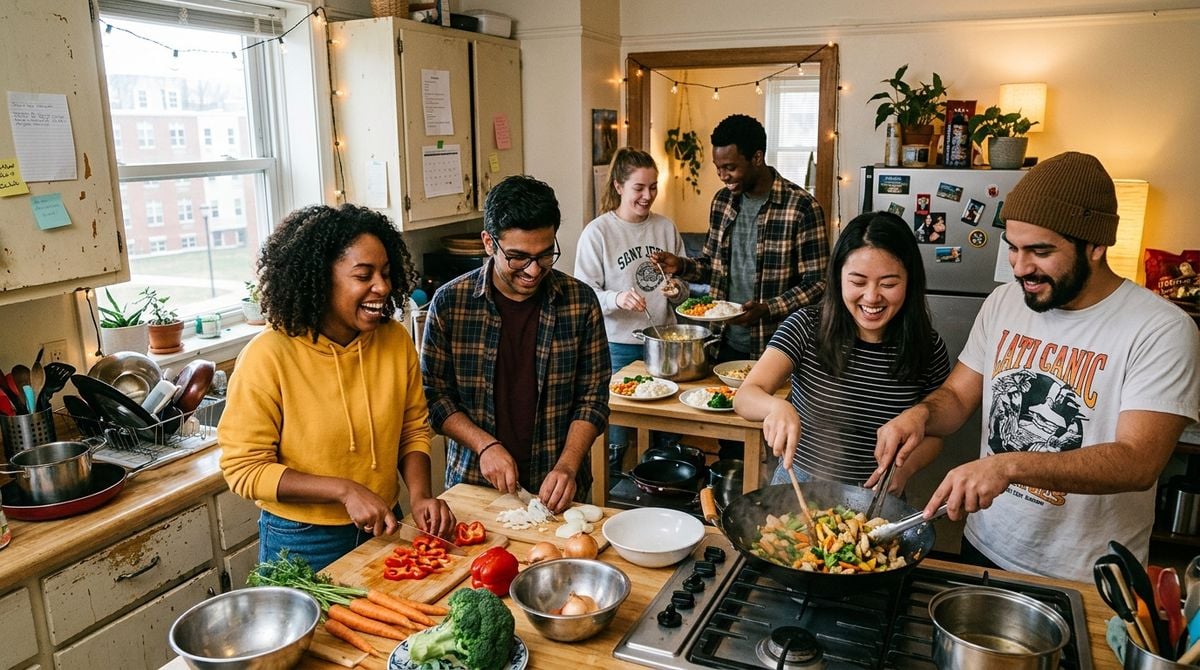
Sharing a home with someone you love often means discovering just how different your daily habits can be, especially when it comes to food. One partner might thrive on plant-centered dishes packed with vibrant greens and legumes, while the other leans toward hearty proteins, classic comfort meals, or high-energy dishes. When culinary philosophies diverge, dinner can quickly transform from an intimate evening ritual into an exhausting logistical puzzle. Many couples find themselves wondering whether they must cook two entirely separate meals every single night or sacrifice their personal wellness goals for the sake of household harmony.
Living peacefully with different eating styles does not require anyone to compromise their health, ethics, or enjoyment. In fact, learning how to feed two distinct appetites under the same roof can deepen communication, expand your culinary repertoire, and build a more supportive domestic partnership. By approaching the kitchen with curiosity, humor, and teamwork rather than frustration, you can easily prepare dinners that honor both individuals while preserving the warmth of eating together.
Shift from Compromise to Active Collaboration
The foundation of a peaceful kitchen begins with genuine respect for each other’s dietary choices. Food preferences rarely emerge out of nowhere. They are often tied to family traditions, ethical beliefs, digestive comfort, athletic goals, or medical needs. When one partner feels judged for what they choose to eat, defensiveness quickly creeps in. The person with dietary preferences may feel like an inconvenience, while the other partner may feel restricted or criticized for enjoying familiar foods. Acknowledging that food choices are deeply personal allows both of you to replace unspoken resentment with open understanding.
Clear, proactive communication outside the kitchen prevents everyday tension from boiling over at dinner. Debating what to cook when both partners are already tired, depleted, and hungry after a long day is a reliable recipe for conflict. Instead, carve out a relaxed moment during the weekend to talk through your upcoming schedules, cravings, and cooking responsibilities. For partners seeking to cultivate a calmer kitchen atmosphere, discovering mindful cooking rituals at home offers practical ways to unwind together before dinner preparation even begins. When cooking becomes an opportunity to connect rather than a rushed chore, differing plates no longer feel like a barrier between you.
Design Modular Meals That Satisfy Both Palates
The most sustainable strategy for couples with contrasting diets is the modular meal concept. Rather than preparing two completely distinct recipes from start to finish, focus your energy on building meals around a flexible, shared foundation. You prepare a flavorful central base that both of you enjoy, such as roasted seasonal vegetables, seasoned whole grains, or a rich aromatic sauce, and then customize individual plates with different proteins or additions. This method dramatically reduces preparation time, minimizes dirty cookware, and ensures that you still share a cohesive dining experience.
Creating modular dinners becomes simple when you rely on versatile dinner templates that naturally accommodate different preferences:
- Grain and greens bowls: Start with a warm base of brown rice, farro, or quinoa, toss in tender greens, and allow each partner to add their preferred toppings, such as marinated tofu, roasted chickpeas, grilled chicken, or toasted nuts.
- Taco and fajita spreads: Prepare a colorful pan of sauteed bell peppers, sweet onions, and black beans, letting each person choose their favorite tortillas, proteins, cheeses, and homemade salsas.
- Custom sheet pan dinners: Roast an array of root vegetables and squash across a large baking sheet while using separate smaller baking dishes for different marinades or protein choices.
- Adaptable pasta nights: Simmer a vibrant vegetable sauce packed with herbs to serve as the centerpiece, pairing it with legume noodles or traditional pasta according to personal preference.
When both partners focus on nutrient-dense base ingredients, modular cooking naturally supports daily energy and vitality. High-quality produce, hearty legumes, and wholesome staples provide the essential foundation that keeps both bodies energized throughout demanding routines. You can explore plenty of practical inspiration for choosing nourishing whole foods at Eat Well And Live Long, which highlights how healthy staples can fit seamlessly into everyday domestic living. Establishing a shared pantry of wholesome ingredients makes personal customization feel simple and rewarding.
Streamline Grocery Trips and Kitchen Storage
Organizing your refrigerator and pantry can eliminate the small, everyday misunderstandings that happen when managing dual diets. Without clear storage zones, specialty ingredients can easily spoil forgotten in the back of the refrigerator, or one partner might accidentally consume an item the other was saving for a specific weekday lunch. Setting aside dedicated zones for personal specialty items alongside shared communal staples creates total clarity and demonstrates mutual consideration.
Grocery shopping also runs far more smoothly when you treat it as a collaborative project rather than an individual burden. Maintain a shared digital checklist or a visible magnetic notepad on the refrigerator where both of you can jot down ingredients as they run low. Divide your shopping list into shared essentials, like cold-pressed oils, fresh garlic, and greens, alongside distinct personal requests. By shopping with intention, you prevent duplicate purchases, eliminate food waste, and make sure both partners feel fully supported every time they open the pantry.
Elevate Technique to Make Home Cooking Fun
Cooking for varied diets often inspires couples to step outside their comfort zones and sharpen their kitchen techniques. When you focus on extracting deep flavor through aromatic spices, proper roasting methods, citrus zests, and fresh herbs, even the simplest plant dishes or lean proteins taste vibrant and satisfying. Mastering fundamental cooking methods ensures that neither partner ever feels like their food is an afterthought or a bland substitute.
Sharpening your kitchen craft also turns everyday meal preparation into an engaging creative pursuit rather than a repetitive chore. Understanding how professional kitchens organize prep stations, balance acidic dressings, and manage heat enables you to cook multiple components side by side without feeling overwhelmed. Exploring culinary methods and trade insights on entre-chefs.com can inspire fresh kitchen confidence and introduce clever ways to prepare diverse ingredients efficiently. As you both become more comfortable handling different cooking techniques, kitchen teamwork feels smooth and rewarding.
Protect Emotional Connection at the Dinner Table
At its heart, sharing a meal is an emotional experience that transcends the specific foods on your plate. It is all too easy to let dietary differences create subtle distance between partners, particularly if one person feels isolated because of strict boundaries or unique tastes. True intimacy at the table does not come from eating the exact same ingredients. It comes from presence, warmth, listening, and shared appreciation for each other’s company.
Create a sacred boundary around mealtime by setting aside mobile devices, closing laptops, and turning off the television. Take a moment to acknowledge the care and effort that went into nourishing both of you, whether that meant simmering two sauces or simply supporting each other’s health goals throughout the week. When you treat your different plates as an expression of individuality and mutual care, your shared kitchen becomes a source of steady connection.