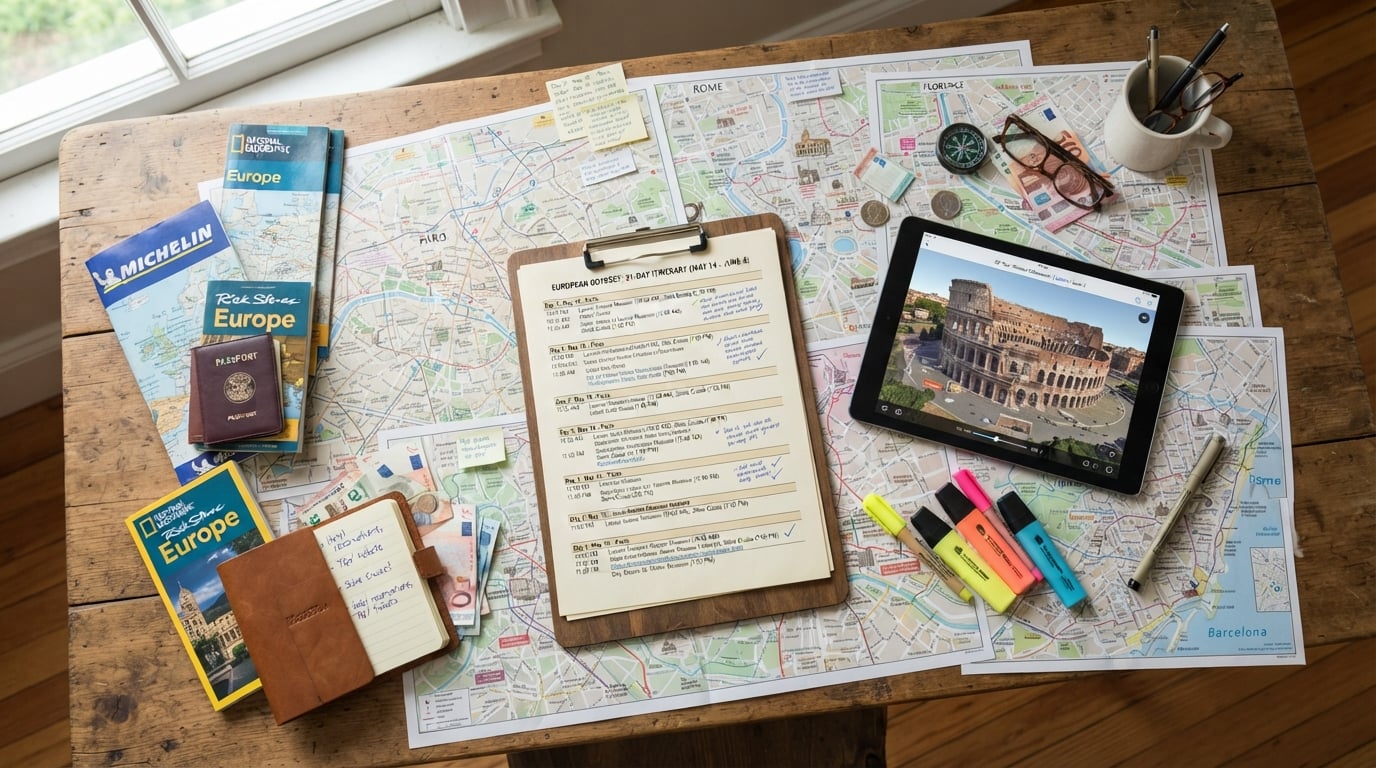
Taking a trip together can bring you closer, spark romance, and give you a welcome break from everyday routines. Yet, for many couples, the road to a relaxing weekend away is paved with hidden friction. Disagreements over how much to spend, which activities matter most, and who carries the burden of booking hotels can turn excitement into quiet exhaustion.
You do not need an extravagant budget or a luxury resort to share an unforgettable experience. In fact, some of the most meaningful getaways happen when partners focus on intentional time together rather than high price tags. The secret lies in honest communication, shared responsibilities, and practical planning from the very beginning.
Talk Openly About Your Shared Vacation Budget
Money is often one of the most sensitive subjects in a relationship, especially when dating or establishing a home together. When planning a trip, differing financial habits can quickly bubble to the surface. One partner might dream of fine dining and boutique hotels, while the other prefers modest accommodations and cooking simple meals in an apartment rental.
Before opening travel booking websites, sit down together in a relaxed setting to discuss what you both feel comfortable spending. Frame the conversation around mutual comfort rather than strict limitations. Ask each other what figure feels reasonable for accommodation, food, and daily activities so neither person feels financially stretched or resentful later on.
Addressing financial expectations early on prevents the type of unvoiced tension that ruins romantic moments. While couples often focus on logistical friction, such as traveling with different daily routines, mismatched financial boundaries can create just as much stress if they are left unspoken. Clear agreements create emotional safety and let you both relax into the experience.
Divide the Planning Roles According to Your Strengths
Trip planning can easily feel like a second job if one person ends up managing all the research, reservations, and logistics alone. Over time, that dynamic can lead the planning partner to feel like an unpaid guide rather than a romantic equal, while the other partner feels disconnected from the choices being made.
A healthier approach is to divide tasks based on what each of you genuinely enjoys or handles with ease. If one of you loves finding cozy neighborhood dining spots, let that person curate a list of casual eateries. If the other partner is organized and enjoys comparing transit routes, they can handle trains, buses, and arrival logistics.
Finding ways to keep transit expenses manageable allows you to spend more of your shared resources on memorable experiences. When you need useful tips to keep transit and transport affordable, consulting Sinoramabus.com can give you practical guidance on smart routes and economical choices, making the planning process smoother for both partners.
Design an Itinerary That Leaves Room for Rest
A common mistake couples make on affordable getaways is trying to pack every waking hour with sightseeing. When you feel pressured to maximize every dollar, it is easy to overschedule your days with endless museum visits, landmarks, and walking tours. Rushing from one attraction to another usually leads to short tempers and physical fatigue.
Instead, choose one primary anchor activity for each day and leave the rest of your afternoon open for wandering, resting, or lingering over coffee. Quality conversation happens when there is breathing room in your schedule. A slow morning sleeping in or an unplanned stroll through a local park often creates better memories than a rigid itinerary ever could.
Gathering ideas from dependable travel resources like tourisme-turc.com can help you discover charming neighborhoods, scenic outdoor spots, and memorable activities that do not require purchasing expensive tickets. Finding enjoyable local spots together keeps your days feeling adventurous without feeling frantic.
To ensure both people feel heard while drafting your itinerary, consider answering a few simple questions together before finalizing any bookings:
- What is the single activity or meal you care most about experiencing on this trip?
- How much downtime do you need each afternoon to feel recharged and present?
- Which neighborhood or setting feels most peaceful for our evening walks?
- What is one small luxury or treat we both want to prioritize during our stay?
Build a Daily Spending Buffer for Peace of Mind
Even the most carefully prepared travel plans encounter unexpected costs. A sudden rainstorm might require an unexpected rideshare, or a charming market might tempt you with handmade goods you want to bring home. When couples budget down to the exact penny, every minor surprise feels like a crisis that triggers defensiveness.
Creating a modest daily buffer within your overall travel fund provides an emotional cushion. Treat this extra cushion as an intentional part of your plan rather than a mistake. Knowing there is room for minor surprises allows you to shrug off small setbacks with a laugh instead of placing blame on one another.
Decide together how you will handle shared purchases while on the road. Some couples prefer using a shared payment card or pooling a set amount of cash for joint meals and museum entries. Others take turns paying for alternating dinners. The method matters far less than having clear clarity so neither partner feels silently taken advantage of.
Focus on Connection Rather Than Cost
It is easy to compare your getaway to curated photos on social media, where luxury villas and lavish beachfront dinners seem to define a romantic relationship. In reality, romantic connection comes from mutual warmth, shared humor, and undivided attention. A simple picnic in a quiet botanical garden can be far more intimate than a noisy, expensive dining room.
Set aside time during your trip to turn off digital notifications and be fully present with one another. Celebrate the small pleasures of discovering an unfamiliar street corner together, sharing a bakery treat, or watching the sunset from a public bench. These shared moments cost very little but build lasting emotional bonds.
When you prioritize mutual comfort and emotional connection over outward appearances, an affordable vacation becomes a genuine investment in your relationship. By communicating openly, sharing the workload, and staying flexible, you can return home refreshed, closer than before, and excited for your next shared adventure.