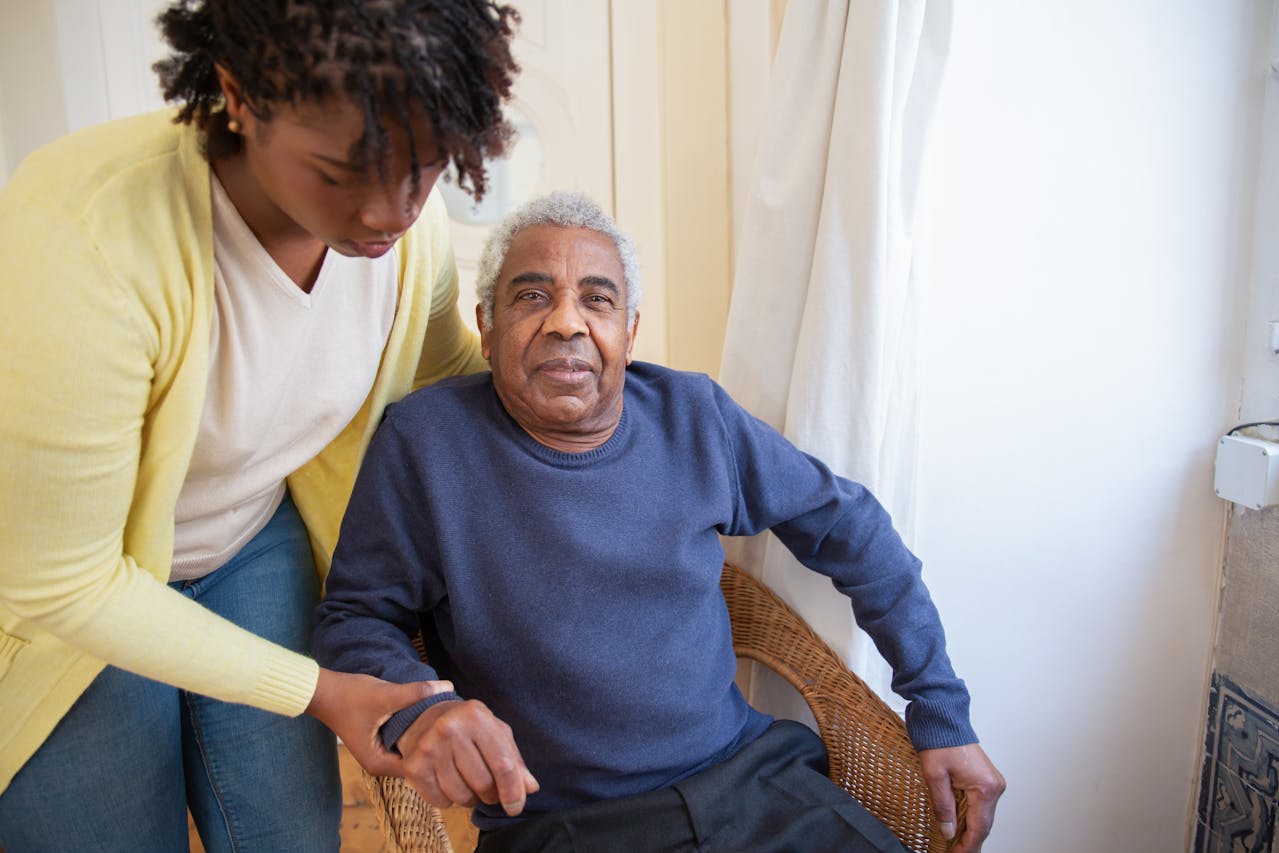

Skilled nursing centers are designed to provide medical and personal care to elderly or disabled individuals who require assistance with daily living or rehabilitation. While many facilities operate with professionalism and care, incidents of injury due to negligence or abuse are unfortunately not uncommon. Understanding your legal options is critical if a loved one has suffered harm while residing in a skilled nursing center.
Understanding Skilled Nursing Center Injuries
Skilled nursing centers differ from standard residential homes in that they offer a higher level of medical care. This includes 24-hour supervision, physical therapy, and assistance with medication and daily tasks. However, with increased medical complexity comes a greater responsibility to provide safe and attentive care.
Common Types of Injuries
Injuries in skilled nursing centers can stem from accidents, neglect, or intentional abuse. Some of the most frequent types include:
- Falls: Often due to lack of supervision, slippery floors, or improper use of mobility aids.
- Bedsores: These pressure ulcers develop when patients are not turned or repositioned regularly.
- Medication Errors: Mistakes in dosage, timing, or administration can lead to serious complications.
- Infections: Poor hygiene protocols and understaffing can contribute to dangerous infections.
- Physical or Emotional Abuse: Sadly, some residents suffer at the hands of caregivers through physical violence, threats, or psychological manipulation.
Recognizing Signs of Neglect or Abuse
Family members often serve as the first line of defense against mistreatment in nursing facilities. If your loved one exhibits sudden behavioral changes, unexplained injuries, or shows signs of fear around caregivers, it could be a red flag.
Additional warning signs may include:
- Rapid weight loss or dehydration
- Poor personal hygiene
- Untreated medical issues
- Withdrawal from social interaction
- Unsanitary living conditions
For a more in-depth look at what to consider when choosing elder care and understanding signs of neglect, visit this elder care resource.
Legal Protections for Nursing Center Residents
Federal and state laws exist to safeguard residents in skilled nursing centers. The Nursing Home Reform Act of 1987 established a Residents’ Bill of Rights, ensuring access to quality care, freedom from abuse, and the right to privacy and dignity. States may impose additional regulations and reporting requirements.
When these protections are violated, families may pursue civil action to hold facilities accountable.
Grounds for Legal Action
Legal claims related to injuries in skilled nursing centers generally fall under the following categories:
- Negligence: Failure to provide a reasonable standard of care, leading to harm.
- Medical Malpractice: Mistakes by healthcare professionals that result in injury.
- Wrongful Death: If a resident dies as a result of abuse or neglect.
- Breach of Contract: Violation of terms in the care agreement between the facility and the resident.
Steps to Take After an Injury Occurs
If your loved one is injured in a skilled nursing center, it’s crucial to act swiftly:
1. Document Everything
Gather all relevant evidence, including photographs of injuries or unsafe conditions, medical records, witness statements, and communication with staff. Detailed documentation can strengthen your legal case.
2. Report the Incident
You should report suspected abuse or neglect to your state’s long-term care ombudsman, local adult protective services, and health departments. Federal authorities, such as the Centers for Medicare & Medicaid Services (CMS), also oversee nursing home compliance.
3. Seek Legal Advice
Navigating elder abuse and personal injury laws can be complex. A qualified attorney can assess the case, gather additional evidence, and guide you through the process of seeking compensation and justice.
To explore your legal options, you can connect with experienced nursing facility injury lawyers at ASWT who specialize in holding negligent nursing centers accountable.
Potential Compensation for Victims
Victims of nursing home injuries may be entitled to a variety of damages, including:
- Medical expenses
- Pain and suffering
- Emotional distress
- Relocation costs
- Punitive damages (in cases of gross negligence or abuse)
In wrongful death cases, compensation may also include funeral costs and loss of companionship for surviving family members.
Choosing the Right Legal Support
Selecting an attorney with a proven track record in nursing home abuse cases is vital. Look for firms that specialize in elder law or personal injury and have handled similar claims successfully.
The legal directory listing is one example of where you can find professionals with experience in elder abuse litigation.
For general legal information on nursing home abuse cases, this resource provided is a helpful starting point to understand your rights and potential claims.
Preventing Future Harm
While legal recourse is essential after an injury, preventing further harm is equally important. Families should:
- Stay involved in their loved one’s care
- Visit frequently and at varied times
- Build relationships with staff and administration
- Review inspection reports and ratings from state health agencies
- Understand residents’ rights and care plans
Conclusion
Injuries in skilled nursing centers can have devastating physical, emotional, and financial consequences. Families and loved ones must be vigilant in identifying the signs of neglect or abuse and take immediate action when necessary. Federal and state laws offer pathways to justice, but navigating them effectively often requires professional legal assistance.
If you suspect your loved one has been harmed in a skilled nursing facility, don’t hesitate to seek guidance from legal professionals who understand the intricacies of elder care law. Holding negligent facilities accountable not only secures justice for the victim but helps protect others from future harm.